

Digital Identity Wallets A Practical Guide for News Readers and Professionals
Digital Identity Wallets are becoming a core element of how people will prove who they are online and offline. In an era where personal data is both a commodity and a target for misuse the concept of a secure portable identity that a person controls is gaining fast traction. This article explains what Digital Identity Wallets are how they work why they matter and what readers should watch for as adoption grows.
What Are Digital Identity Wallets
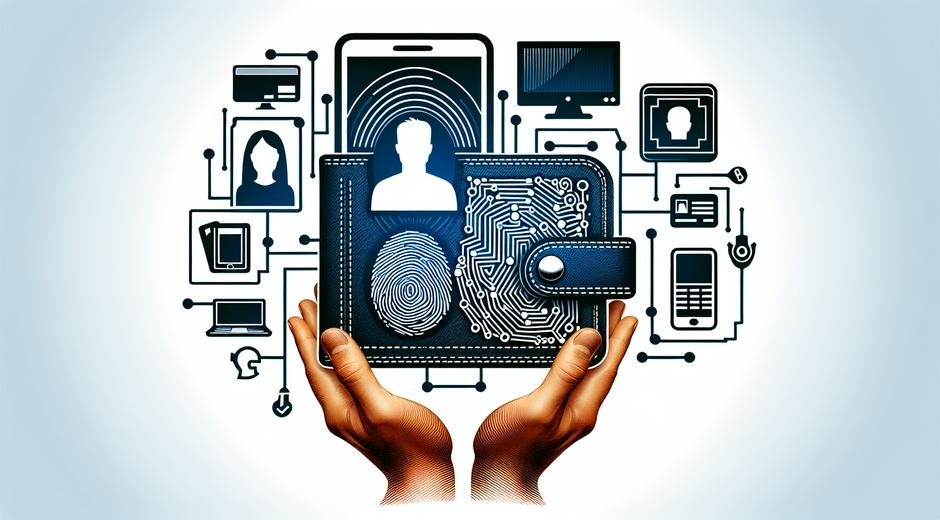
A Digital Identity Wallet is a software tool that stores digital credentials that verify attributes about a person. These credentials can include a government issued identity document a university certificate an employee badge or a proof of age token. The wallet gives the individual control over when and with whom those credentials are shared. Unlike traditional identity systems where third parties often retain copies of personal data a Digital Identity Wallet is designed to enable selective disclosure and strong cryptographic proof without broad data exposure.
Core Technology That Powers Digital Identity Wallets
Most Digital Identity Wallets rely on public key cryptography to create a secure link between a person and their digital credentials. When a credential is issued it is cryptographically signed by the issuer. The wallet stores the secret keys needed to prove ownership of those credentials. Verifiers can confirm the authenticity of a credential by checking the issuer signature against a known public key. Some systems use distributed ledgers to publish issuer keys or revocation lists which helps verifiers confirm status without needing to contact the issuer directly. The exact implementation can vary widely across projects and jurisdictions.
Key Benefits for Individuals and Organizations
Digital Identity Wallets deliver several clear benefits. For individuals they reduce the need to share copies of sensitive documents and they give more control over personal data. Users can choose to reveal only the attributes that are necessary for a given transaction. For organizations and service providers wallets can reduce fraud streamline onboarding and lower costs associated with identity verification. When implemented well wallets can also enhance privacy and reduce regulatory burden by limiting data storage to what is strictly required.
Everyday Use Cases That Matter Now
There are many practical uses for Digital Identity Wallets in daily life. Travel and border control can be simplified by allowing travelers to present verified boarding passes and visas. Financial services can use wallets for remote onboarding replacing lengthy manual checks. Educational institutions can issue digitally signed diplomas that graduates carry in their wallets. Healthcare providers can allow patients to share certified immunization records when needed without exposing other medical history. Retail and entertainment venues can verify age while minimizing data collection.
Privacy Security and Usability Concerns
While the promise of Digital Identity Wallets is strong there are important risks and limits to consider. Security depends heavily on how the wallet stores and protects secret keys. If a wallet is compromised an attacker could misuse credentials. Usability matters too because complex key management can deter mainstream adoption. Privacy protections vary by design and by law. Some wallet projects emphasize minimal disclosure and local data storage while others involve third party services for backup or recovery which can create new data exposure risks. It is crucial for users and organizations to evaluate wallet providers on security practices transparency and recovery options.
Regulatory and Standards Landscape
Adoption of Digital Identity Wallets is occurring alongside a surge in regulatory interest. Governments and standards bodies are working on frameworks to ensure interoperability security and legal validity of digitally issued credentials. Standards such as verifiable credentials and decentralized identifiers have emerged to provide common technical building blocks. Harmonized legal frameworks can enable wallets to be used for things like voting tax filing and public service access but achieving this requires careful alignment between technology providers regulators and civil society voices.
How Businesses Should Prepare
For businesses the rise of Digital Identity Wallets means rethinking identity flows and integration paths. Companies that rely on onboarding should consider integrating verifiers that accept cryptographic proofs rather than asking for scanned documents. This can speed processes and reduce fraud exposure. Organizations should also look at how wallet based identity can improve customer privacy as a differentiator in markets where trust matters. Pilot projects with clear success metrics can help teams learn how to adapt processes and systems without making irreversible choices early in the adoption curve.
Tips for Consumers Choosing a Wallet
If you are evaluating Digital Identity Wallets here are practical questions to ask. Who is the issuer of the credentials you need and does the wallet support those formats. How does the wallet protect your secret keys and what recovery options exist if you lose access. Will the wallet share more data than necessary when you present credentials. Does the wallet maker publish audits or third party assessments of security. How easy is it to use for common tasks such as sharing proof of age or proving educational qualifications. Asking these questions helps pick a wallet that balances privacy security and convenience for your needs.
Adoption Challenges and How They May Be Overcome
There are barriers to broad adoption. Fragmentation among wallet providers and lack of global standards can limit interoperability. Legacy systems often expect copies of documents rather than cryptographic proofs which means businesses must update processes. Public trust must be earned through transparent governance strong security practices and clear user control. Over time initiatives that focus on open standards user centered design and policies that protect rights can reduce these barriers and accelerate adoption.
The Future Outlook
Looking ahead Digital Identity Wallets are likely to influence many domains from public services to commerce. As ecosystems mature we may see wallets integrated into daily platforms and devices enabling seamless trust without heavy data transfers. The most successful models will likely combine strong technical security transparent governance and convenient user experience. If policy makers and industry align on standards and rights the result can be a more private and resilient digital identity layer that benefits individuals organizations and the public sector alike.
Where to Learn More and Stay Updated
News sites and specialist outlets will track developments as pilots move to scale. For general current affairs and deep dives on technology and policy visit newspapersio.com where coverage includes identity technology and regulatory developments. If you are exploring wallets and related services for entertainment or event access you may find partner platforms that trial credential workflows such as Moviefil.com helpful to see real use cases in action.
Conclusion
Digital Identity Wallets represent a shift toward giving people more control over their personal data while enabling secure trusted interactions online and offline. The technology is promising yet still evolving. Readers should watch how standards and laws develop evaluate wallet options carefully and consider how these tools could streamline identity needs for work travel health and education. As the ecosystem grows staying informed will help individuals and organizations make choices that protect privacy build trust and unlock new opportunities for digital services.