

Global Inflation Signals: What Readers Must Watch Now
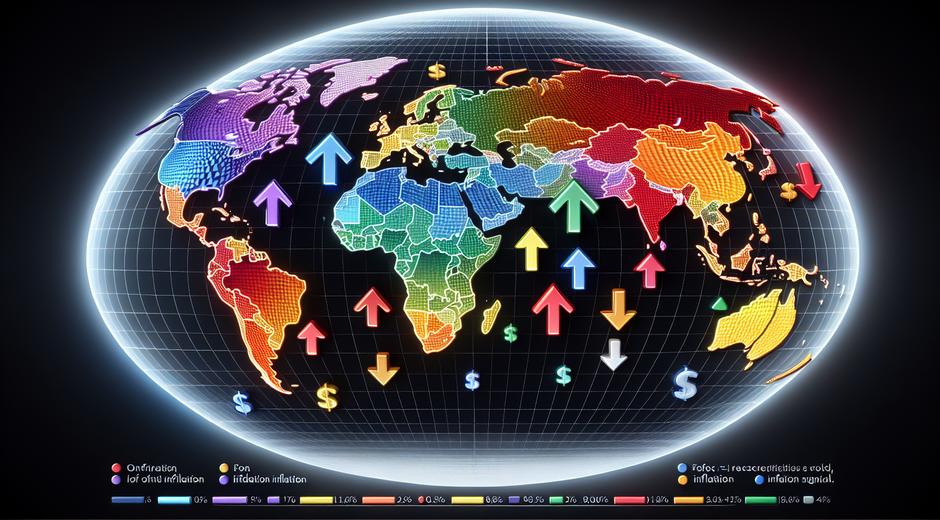
Global Inflation Signals are shaping policy debate across capitals and markets. As inflation moves from a local concern to a global theme readers must know which data matter and how to interpret the signals that influence prices of basics and capital. This guide explains the core drivers behind recent inflation shifts the tools central banks use and practical actions consumers and businesses can take. For ongoing coverage and timely analysis visit newspapersio.com for in depth reporting and regional updates.
Why Global Inflation Signals Matter
Inflation affects purchasing power investment returns and policy choices. When prices rise broadly and persistently households see real incomes erode while firms face higher input costs. For savers and investors inflation alters the real yield on bonds and the expected return on real assets. Global Inflation Signals matter because modern trade finance and capital flows mean that price pressures in one region can transmit quickly to others through commodity markets shipping and finance. Identifying early signals helps policy makers and market participants adjust risk premia and set realistic expectations.
Key Drivers Behind Current Global Inflation Signals
Supply and demand imbalances remain central. Demand recovery after a slow phase can outpace the ability of supply to respond leading to price pressure. Energy price moves often act as a fast transmission channel. Geopolitical events weather disruptions and changes in production capacity in major producing regions can push oil and natural gas prices higher which then feed through to transport and manufacturing costs.
Labor market tightness is another core driver. When unemployment falls and wage growth rises firms pass part of higher compensation to consumers through price hikes. Wage pressure is most visible in service sectors where labor is a large share of cost. Wage growth combined with strong consumer spending can create persistent inflation momentum.
Commodity cycles also send early signals. Food metal and energy prices lift headline inflation quickly. While these items can be volatile their sustained rise signals broader price pressure which can filter into core inflation measures.
Fiscal policy and stimulus matter for demand. Large scale fiscal support can raise aggregate demand and create upward pressure on prices if supply does not adjust quickly. At the same time tax and transfer changes can change consumption patterns and push prices in specific categories.
Finally global trade dynamics shape transmission. Shipping costs and port congestion feed into final prices for imported goods. Even modest increases in trade friction can raise import costs and create inflation pressure in open economies.
How Central Banks Interpret Global Inflation Signals
Central banks monitor a wide set of indicators to assess inflation risks. Headline consumer price indexes capture the broad move in prices but can be noisy. Core indexes that exclude food and energy provide a clearer view of underlying trends. Price measures for services goods and specific categories give more granularity.
Expectations matter. Survey measures of business and household inflation expectations influence wage setting and price setting behavior. Rising expectations can embed inflation and make policy responses more aggressive.
Monetary authorities also watch real economy indicators such as real GDP growth capacity utilization and labor market slack. Faster growth and falling slack raise the probability that price pressures will persist.
Policy tools include interest rate changes balance sheet operations and forward guidance. When central banks see persistent Global Inflation Signals they may raise policy rates or reduce asset holdings to tighten financial conditions. The timing and pace of these moves depend on the strength of the signals and the degree of confidence in the outlook.
Leading Indicators To Monitor
Commodity price indexes are a real time pulse on global cost pressures. Rapid sustained moves in energy and food prices typically show up in headline inflation soon.
Wage data provide insight into the potential for second round effects. If wage gains outpace productivity firms will pass more cost to consumers which can widen inflation.
Inflation expectation surveys and market based measures such as inflation linked bond spreads show where investors expect inflation to head and how compensation for inflation risk evolves.
Shipping and logistics indicators reveal the cost of moving goods. Persistent elevation in these costs signals broader imported inflation.
Producer price indexes often lead consumer prices because they capture cost changes earlier in the production chain. A rise in producer prices that is not fully absorbed by margins suggests future consumer price increases.
Finally credit growth and broad money aggregates hint at demand related pressure. Rapid expansion in lending can boost consumption and investment and feed price pressure if supply cannot keep up.
Market Reactions And Investment Signals
Markets react to Global Inflation Signals in distinct ways. Bond markets repricing inflation expectations lead to moves in real yields and nominal yields. Rising inflation expectations push nominal yields up and real yields down unless central banks react strongly. Equity markets respond to the expected growth and discount rate trade off. Some sectors such as energy and basic materials benefit from rising commodity led inflation while sectors with strong pricing power such as consumer staples can pass costs to buyers.
Investors often seek inflation hedges via real assets and inflation linked securities. Commodities property and infrastructure often act as partial hedges when inflation signals strengthen. Currency markets also reflect relative inflation trajectories. Currencies of economies where policy is expected to tighten more quickly often strengthen as yields rise.
For prudent positioning focus on diversification across asset classes and regions and consider active management that can respond to rapid changes in inflation signals.
Policy Challenges And Global Coordination
Policy makers must balance the risk of acting too slowly or acting too quickly. Tightening policy too soon can slow growth and increase unemployment. Acting too late allows inflation expectations to rise making control more costly. Coordination across central banks is not formal but dialogue matters. If multiple major central banks tighten policy concurrently global financial conditions tighten and capital flows shift affecting emerging markets.
Emerging economies face particular risk when global inflation signals push up commodity prices or when major central banks raise rates. Capital outflows currency depreciation and higher import bills can accelerate domestic inflation. Monitoring cross border spill overs is therefore essential.
Practical Steps For Households And Businesses
Households facing stronger Global Inflation Signals should review budgets with a focus on essentials such as food energy and housing costs. Building an emergency buffer and reviewing debt to ensure interest rate exposure is manageable can reduce risk.
Businesses should assess pricing power and cost structure. Where possible pass temporary cost increases to buyers while investing in efficiency to offset longer term pressure. Manage inventory prudently and retain flexibility in supplier relationships to avoid cost shock.
Both households and firms benefit from staying informed. Reliable independent reporting and region specific updates help make better choices. For continuous coverage and analysis on how Global Inflation Signals affect markets and everyday life consult Newspapersio.com.
Reading The Signals Ahead
Global Inflation Signals will continue to evolve as new data and events occur. Careful interpretation requires looking at both headline and underlying measures assessing expectations and watching leading indicators. The policy response will be critical in shaping the inflation path and its impact on growth and markets. Readers who track these signals gain an information advantage that helps in financial planning and decision making.
In summary Global Inflation Signals provide essential guidance for policy makers investors businesses and households. By focusing on key drivers monitoring leading indicators and understanding likely market and policy reactions readers can act with greater clarity and confidence. Continue to follow reliable sources for updates and place new data in the context of the broader trend before changing long term plans.