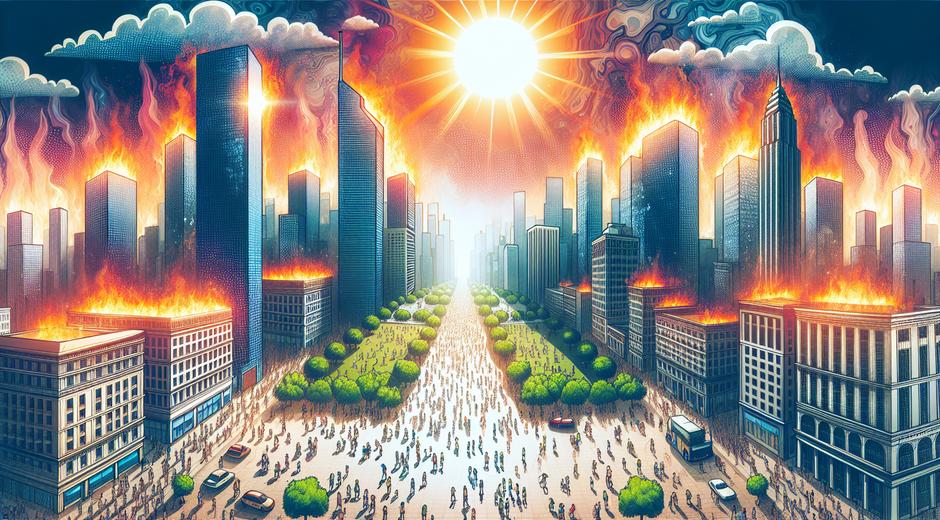


Urban Heat: Understanding the Rising Temperature Challenge in Cities
Urban Heat is a growing concern for city planners public health officials and residents around the world. As concrete glass and metal replace natural landscapes the way cities store and release heat changes dramatically. This article explains what Urban Heat means why it matters and how communities can respond with practical solutions and policy change. For continuing coverage and updates on environmental news visit newspapersio.com where local reports and expert analysis appear regularly.
What Urban Heat Means for Modern Cities
Urban Heat refers to the elevated temperatures found in built up areas compared with nearby rural zones. This phenomenon emerges from several factors including reduced vegetation extensive paved surfaces and dense building clusters. These materials absorb solar energy during the day and release it slowly at night creating a thermal load that can persist beyond daylight hours. The result is warmer nights higher cooling demand and increased stress on infrastructure and human health.
Primary Drivers of Urban Heat
Understanding the main drivers of Urban Heat helps target interventions effectively. Key contributors include the loss of trees and green space which reduces shade and natural cooling through evaporation. Dark pavements and roofs absorb more heat than lighter surfaces and store that energy. High building density traps heat and restricts airflow and vehicle engines air conditioning units and industrial processes add additional waste heat to the urban atmosphere. Together these elements create a micro climate that differs significantly from surrounding areas.
Health and Social Impacts of Urban Heat
Rising Urban Heat has direct effects on public health. Heat related illness and heat related mortality rise during extreme temperature events especially among older adults children pregnant people and those with chronic medical conditions. Urban Heat can worsen air quality by increasing the formation of harmful pollutants and this combination of heat and pollution amplifies respiratory and cardiovascular risk. Social equity concerns also emerge because low income neighborhoods often have less green space fewer cooling centers and older housing stock without adequate cooling creating unequal exposure to heat risk.
Athletes and outdoor workers face unique exposure risks during hot periods. Planning safe training and competition schedules matters for performance and for injury prevention. For readers looking for guidance on outdoor safety while exercising in warm conditions explore resources at SportSoulPulse.com which offers practical advice on hydration rest intervals and heat safety awareness for athletes and coaches.
How Urban Heat Is Measured
Urban Heat is tracked through a mix of ground sensors satellite imagery and mobile surveys. Surface temperature maps created from satellite data reveal hot spots where temperatures are highest at the ground level. Air temperature measurements at human height better reflect thermal exposure for residents. Heat indices that combine temperature and humidity offer a clearer picture of human discomfort and risk. City planners use these data to create heat vulnerability maps which highlight neighborhoods that face the greatest threat based on environmental and social factors.
Economic and Infrastructure Consequences
The economic effects of Urban Heat can be significant. Increased energy demand for cooling strains electrical grids and raises household utility bills. Pavement and road surface temperatures can accelerate material degradation and create maintenance needs. Public transport systems such as rail can experience heat related service disruptions. Heat also affects workforce productivity particularly for jobs that require outdoor labor. Investing in mitigation and adaptation can reduce these economic burdens over time.
Practical Strategies to Reduce Urban Heat
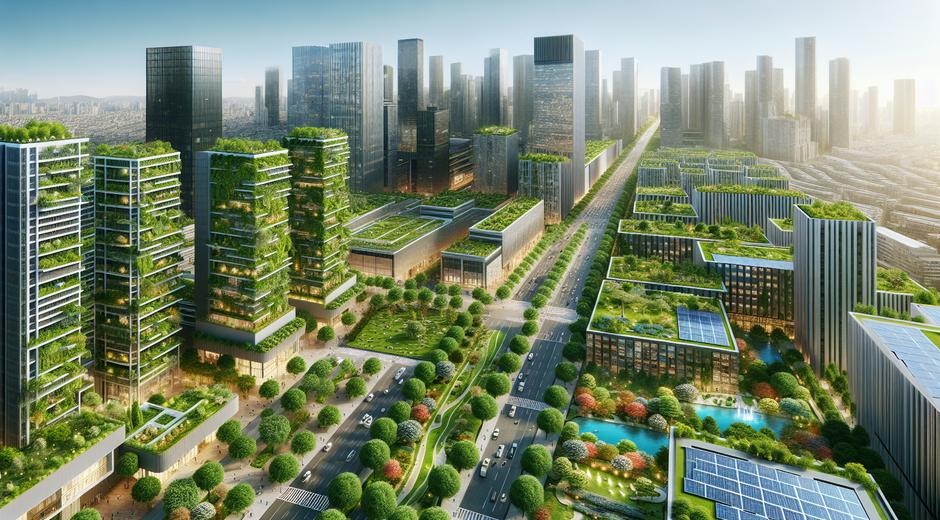
There are proven strategies to lower temperatures in urban areas and to protect people from heat risk. Increasing tree canopy and installing parks and green roofs add shade cooling and recreational value. Transitioning to reflective roof and pavement materials that reflect more solar energy and absorb less heat reduces surface temperatures. Expanding urban water features can provide cooling through evaporation but requires careful design to avoid excessive water use. Improving building design for passive cooling better ventilation and insulation can cut energy demand. Creating networks of cool corridors and pedestrian friendly shaded streets helps lower temperatures at street level and supports active transport.
Nature Based Solutions and Urban Design
Nature based solutions offer co benefits for heat reduction biodiversity storm water management and community well being. Urban forests and rain gardens not only cool the air they also support pollinators reduce flood risk and beautify neighborhoods. Integrating green space into transit corridors and schoolyards helps distribute cooling benefits across a city. Smart urban design that prioritizes human scale shade trees and permeable surfaces contributes to resilient neighborhoods that cope better with extreme heat events.
Policy Approaches and Community Action
Municipal policies are essential to scale effective responses to Urban Heat. Cities can adopt codes that require cool roofs or encourage green roofs provide incentives for tree planting and protect existing natural assets. Heat action plans that include early warning systems emergency cooling centers outreach to vulnerable residents and coordination across public health energy and emergency services help limit harm during extreme events. Community engagement is crucial to ensure interventions meet local needs and preserve cultural and social values.
Equity and Targeted Investment
Addressing Urban Heat fairly requires targeting investment where it will reduce the greatest risk. Low income communities and communities of color are often most exposed because of historical planning decisions and resource allocation. Equitable strategies include prioritizing tree planting in underserved neighborhoods offering subsidies for home cooling upgrades and supporting community organizations that help residents access cooling centers and health services during hot periods. Measuring outcomes and adjusting programs based on local feedback ensures that investments deliver real benefits.
Individual Actions That Make a Difference
Residents can adopt simple measures to reduce their personal heat exposure and contribute to city wide cooling. Planting trees or supporting neighborhood greening projects adds shade and evaporative cooling. Using light colored or reflective materials on roofs and window coverings can lower indoor temperatures. During hot spells staying hydrated using fans in combination with shade and avoiding the hottest hours for strenuous activity reduces risk. Neighbors can also check in on older adults and other vulnerable people to ensure they have access to cooling and medical help if needed.
Looking Ahead
Urban Heat will remain a key challenge as cities continue to grow and climates shift. Combining science based planning community led action and policy innovation creates resilient urban environments that protect health and improve quality of life. Cross sector collaboration across public health urban planning transportation and community groups accelerates progress and ensures solutions are fair and lasting. By investing in green infrastructure cool materials and equitable policy cities can reduce heat exposure lower energy demand and build healthier more livable neighborhoods.
Conclusion
Urban Heat is a complex urban planning and public health issue with clear pathways for mitigation and adaptation. Through informed design targeted investment and broad community engagement cities can reduce heat risk protect vulnerable people and improve outdoor comfort for all. Stay informed about local initiatives and breaking news on environmental issues at newspapersio.com and consult expert resources like SportSoulPulse.com when planning activities outdoors during warm periods. Collective action today builds cooler safer cities for tomorrow.