

Climate Migration: Understanding Movement of People in a Changing World
Climate Migration is one of the defining challenges of the early decades of the 21st century. As weather patterns shift, sea levels rise and extreme events increase in frequency, communities face decisions about staying and adapting or moving to safer locations. This article explains the causes patterns and consequences of Climate Migration and offers practical guidance for policymakers planners and citizens who need to respond in ways that protect human rights and promote resilience.
What is Climate Migration?
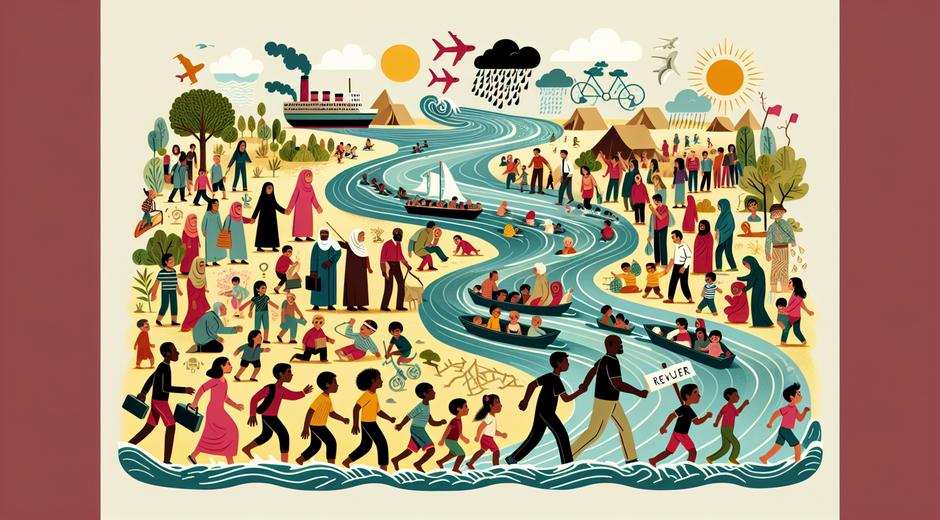
Climate Migration refers to the movement of people who relocate in response to climate related impacts. These moves can be short term or permanent. They may occur within national borders or across international borders. Unlike migration driven primarily by economic opportunity or conflict, Climate Migration is linked to environmental change that affects livelihoods health and safety. Examples include families leaving low lying islands due to rising sea levels or farmers moving inland after repeated crop failure from shifts in rainfall.
Drivers and Patterns of Climate Migration
Several environmental and social factors drive Climate Migration. Sea level rise threatens coastal settlements and critical infrastructure. Increasing heat and changing precipitation patterns reduce agricultural productivity. More frequent storms floods and wildfires can destroy homes and disrupt supply chains. At the same time social factors such as poverty limited access to insurance and weak governance make it harder for communities to adapt in place.
Patterns of Climate Migration vary widely. Some communities experience sudden mass displacement after a disaster. Other moves are gradual as households choose to relocate over years in search of better access to water energy and jobs. Urban areas often absorb many migrants as they offer services and employment even though cities face their own climate risks. Understanding local drivers and mobility patterns is essential for designing effective responses that reduce harm and preserve opportunity.
Impacts on Communities and Cities
When people move due to Climate Migration the impacts are felt by both places of origin and destination. Communities left behind can lose working age adults and social cohesion. Local economies may shrink and essential services may become harder to sustain. At destinations pressure on housing health care schools and public services can increase. Informal settlements may grow when urban planning does not keep pace with arrival rates.
Climate Migration also has environmental impacts. New settlement patterns can change land use increase demand for water and energy and strain ecosystems. Yet relocation can provide opportunity when it is planned proactively. Managed relocation that protects cultural heritage and secures livelihoods can enhance resilience for vulnerable populations. The quality of outcomes depends on inclusive planning transparent funding and strong coordination across government and civil society.
Policy Responses and Planning for Climate Migration
Policy responses to Climate Migration must operate on several levels. First prevention and adaptation in place help reduce the number of people forced to move. This includes investments in resilient infrastructure early warning systems and support for climate smart agriculture. Second where relocation is unavoidable authorities need frameworks for safe orderly and dignified movement. This involves legal protection access to services and livelihood support.
International cooperation is critical because Climate Migration often crosses borders or involves global finance. National plans should include migration as part of climate adaptation strategies and integrate data collection and risk mapping. Civil society and the private sector have roles in financing and implementing solutions that prioritize human security and economic inclusion. For further discussion on how businesses and governments can collaborate on migration and resilience see BusinessForumHub.com which explores best practice case studies and policy frameworks.
Economic and Social Dimensions
Climate Migration carries economic costs and also potential benefits. Remittances from migrants can support families and stimulate local markets. Migrants bring skills and labor that can fill gaps in destination economies. At the same time abrupt influxes without planning can create job competition strain on public services and social tension. Policies that support job training inclusive labor markets and social protection help to turn migration into a positive force for development.
Social inclusion is also key. Migrants often face discrimination and barriers to health care education and housing. Ensuring access to services legal identity and fair employment helps reduce vulnerability and supports integration. Community participation in planning improves the chances that relocation or urban expansion meets the needs of both newcomers and existing residents.
Data Governance and Early Warning
Data plays a central role in addressing Climate Migration. High quality localized climate projections combined with demographic and economic data allow authorities to anticipate where migration pressures may grow. Early warning systems linked to evacuation plans and temporary shelters reduce loss of life in extreme events. Long term planning requires data on housing markets transport capacity and service delivery so that destinations can scale up in ways that are sustainable.
Privacy and governance are important when collecting data on vulnerable populations. Transparent rules and community consent build trust and ensure that data use benefits those most at risk. Investment in data systems is an investment in preparedness and adaptable governance that can keep pace with changing mobility patterns.
Role of Media and Information
Accurate reporting is essential to shape constructive public debate on Climate Migration. Media that explain the causes the lived experience of migrants and the evidence on solutions can reduce fear and misinformation. Platforms that connect research to policy makers practitioners and the public are especially valuable. For readers seeking a broad range of news and analysis on migration climate and urban resilience consider reputable outlets and investigative reporting that highlight solutions and human stories. For example a trusted general news hub like newspapersio.com can help citizens follow developments and policy debates across regions.
Practical Steps for Communities and Individuals
Communities and individuals can take steps now to reduce risk and increase options. Households can diversify income sources enroll in insurance where available and participate in local resilience planning. Community leaders can advocate for investments in infrastructure and safety nets. Local governments can map risk zones adjust land use planning and collaborate with neighboring jurisdictions to manage flows of people.
For migrants and host communities alike learning opportunities and language services help speed integration and build shared prosperity. Training programs that match skills to labor market needs increase the chance that migration leads to durable improvements in wellbeing. And community level dialogue reduces tension and fosters inclusive local governance.
Conclusion
Climate Migration will remain a major policy and humanitarian issue in coming years. With the right combination of prevention adaptation and planned relocation when needed it is possible to reduce harm and create opportunities from population movement. Effective action requires evidence inclusive governance and partnerships across sectors. Policymakers media civil society and the private sector all have roles to play in creating a future where people can move with dignity or remain safe in place. Staying informed and engaged with reliable sources of news and analysis helps communities make better choices and hold leaders to account.
Addressing Climate Migration is not only a humanitarian imperative but also an economic and moral necessity. With thoughtful planning and focused investment we can build systems that protect the most vulnerable create resilient cities and support sustainable development across regions.