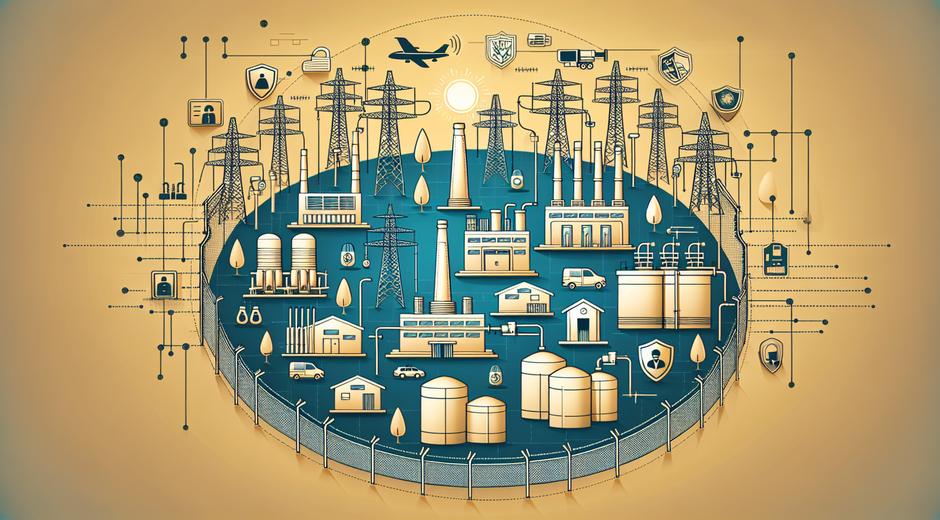


Critical Infrastructure Protection
Critical Infrastructure Protection is a central concern for governments organizations and private operators in an era of accelerating threats and growing interdependence among systems. Protecting the assets that support energy supply water management transportation networks communications and financial services is not optional. It is essential for national resilience economic stability and public safety. This article explains why Critical Infrastructure Protection matters outlines the main threats examines practical strategies and explains how organizations can start improving resilience today.
Why Critical Infrastructure Protection Matters
Critical Infrastructure Protection reduces the probability and impact of events that disrupt essential services. When infrastructure fails the effects cascade quickly. A power outage can halt hospitals traffic systems and manufacturing. A cyberattack on a water treatment facility can threaten public health. For this reason investments in protection create returns in the form of saved lives reduced economic loss and faster recovery. Policymakers must align priorities across sectors and ensure that risk management practices are consistent and measurable.
Understanding the Threat Landscape
The threat landscape for Critical Infrastructure Protection includes physical attacks natural hazards supply chain problems and cyber threats. Cybersecurity has become a dominant focus because of the growing digitization of industrial control systems and operational technology. However physical security cannot be neglected. Insider risks emerge from employees contractors and third parties with legitimate access. Climate related events such as extreme weather floods and wildfires add another layer of pressure. Assessing threats requires a holistic view that accounts for direct attacks and indirect failures that spread through networks of interdependent systems.
Key Components of an Effective Program
Successful Critical Infrastructure Protection programs combine governance technology training and cooperation. Governance sets clear roles responsibilities and escalation paths. Risk assessment identifies the most critical assets and quantifies exposure. Technology provides monitoring detection and response capabilities. Training ensures that staff and partners follow procedures and can react under stress. Finally collaboration across sectors and levels of government creates redundancy and shared situational awareness. Together these components form a practical approach that balances prevention detection and recovery.
Strategies for Enhancing Resilience
Resilience is the ability to absorb shocks and recover quickly. To achieve this organizations should prioritize resilience based measures such as redundancy segmentation and graceful degradation. Redundancy ensures that backups exist for vital functions. Segmentation reduces the chance that a single compromise spreads. Graceful degradation allows systems to operate at reduced capacity rather than fail completely. Regular exercises and scenario planning reveal weaknesses in plans and systems. By testing assumptions under realistic conditions leaders can identify improvements before a crisis occurs.
The Role of Public Private Partnership
Most critical infrastructure is owned and operated by private companies. This reality makes public private partnership indispensable for effective Critical Infrastructure Protection. Governments provide regulation intelligence and coordination while private operators control day to day operations and technical resources. Information sharing frameworks help to disseminate threat intelligence and best practices. Joint incident response plans combined with shared training create mutual understanding that speeds recovery. For readers seeking more in depth news and analysis about infrastructure resilience visit newspapersio.com for timely coverage and expert commentary.
Technology and Innovation
Technology plays multiple roles in Critical Infrastructure Protection. Advanced sensors and telemetry improve situational awareness. Anomaly detection tools powered by machine learning can identify unusual patterns in network activity or equipment performance. Secure cloud services offer scalable backup and recovery capabilities. At the same time adopting new technologies requires careful security design to avoid introducing fresh vulnerabilities. Standards for secure communication identity management and device lifecycle management are essential. Investing in research and pilot projects can reveal the most effective new practices before wide deployment.
Policy and Regulation
Effective policy balances mandatory requirements with incentives for voluntary improvement. Regulations set minimum expectations for security and reporting. Incentives such as subsidies tax relief or access to shared resources encourage operators to go beyond the minimum. Critical Infrastructure Protection also benefits from clear legal frameworks for information sharing and joint exercises. Harmonized standards across jurisdictions reduce fragmentation and simplify compliance for organizations that operate in multiple regions.
Practical Steps Organizations Can Take Now
Organizations that want to strengthen Critical Infrastructure Protection can begin with several practical steps. First conduct an asset inventory and prioritize assets that would cause the greatest harm if degraded. Second perform a risk assessment that covers both likelihood and consequence. Third implement layered defenses that include physical controls secure remote access and continuous monitoring. Fourth create and test incident response plans that involve internal teams and external partners. Fifth invest in training and awareness so that staff can spot suspicious activity and follow procedures. Finally review supply chain risks and require security practices among vendors and contractors.
Measuring Success
Measuring the effectiveness of Critical Infrastructure Protection programs requires metrics that reflect real world outcomes. Useful indicators include mean time to detect incidents mean time to recover percentage of critical assets with tested backups and number of successful exercises per year. Qualitative measures such as stakeholder confidence and evidence of improved coordination after exercises also matter. Regular audits and lessons learned sessions support continuous improvement and ensure that investments yield measurable gains.
Future Trends to Watch
Looking forward the convergence of operational technology with information technology will continue to shape Critical Infrastructure Protection. Automation and remote operation can improve efficiency but also expand attack surfaces. Quantum safe encryption advances could change how secure communication is managed. Increased regulation and international cooperation will aim to raise baseline security across borders. Organizations should monitor these trends and adapt strategies accordingly. For readers interested in practical guides and design oriented approaches to vulnerability hardening consider resources from trusted industry outlets such as StyleRadarPoint.com which provide analysis and case studies on emerging security techniques.
Conclusion
Critical Infrastructure Protection is not a static goal. It requires continuous attention investment and collaboration across public private and civil sectors. By adopting a risk informed approach combining governance technology training and partnerships organizations can reduce vulnerability build resilience and recover more quickly when incidents occur. Prioritizing Critical Infrastructure Protection protects lives supports economic stability and preserves essential services that modern societies depend upon. Start by assessing your most critical assets and then apply the layered and measurable strategies described here to build a more resilient future.