

Arctic Geopolitics: Strategic Stakes in a Transforming North
The Arctic geopolitics landscape is changing rapidly as climate change alters ice coverage and global demand for resources rises. Nations that once viewed the polar north as remote are now reassessing strategy and policy to secure access to new sea routes, energy reserves, and strategic positions. This article explores the main drivers behind Arctic geopolitics and outlines the strategic stakes for states and communities in the region. For ongoing coverage and analysis on related global topics visit newspapersio.com.
Why Arctic Geopolitics Matters
The Arctic region is important for a mix of environmental, economic, and strategic reasons. Melting sea ice is opening shipping passages that could shorten trade routes between major markets. At the same time underlying geology points to abundant reserves of oil gas and minerals. The convergence of economic opportunity and strategic access means that actions taken now will shape global patterns of trade security and environmental stewardship for decades. Analysts track this region because small shifts in policy or military posture can have wide ranging consequences for global stability.
Key Actors and Interests
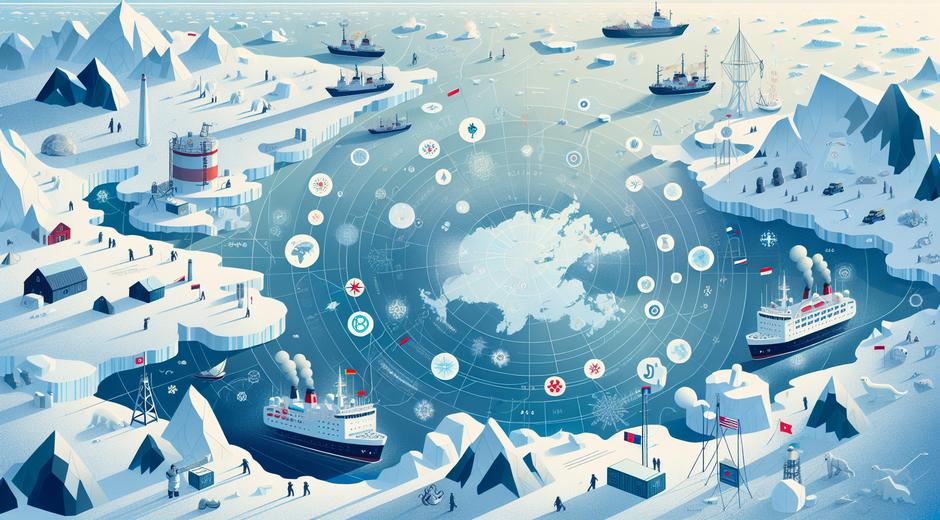
Several states have primary interests in the Arctic. Arctic states include countries with territory above the Arctic Circle and those with long standing presence in the polar north. The most active of these are Canada Denmark via Greenland Norway Russia and the United States. Each brings different leverage and priorities. Russia has been building infrastructure and deploying icebreakers to solidify presence along northern sea lanes. Norway focuses on maritime safety and sustainable fisheries. Canada emphasizes sovereignty and Indigenous rights. The United States balances scientific research with strategic monitoring. Non Arctic states such as China see the region as a potential trade corridor and resource base and therefore pursue research and economic ties as a pathway to influence.
Resources and New Sea Routes
Undiscovered deposits of hydrocarbons and critical minerals attract corporate and state interest. While extraction will face environmental and technical obstacles the potential economic gains are large. New sea routes like the Northern Sea Route and the Northwest Passage can reduce transit times between Asia and Europe by a significant margin compared to traditional canals. This potential reduction in cost and time has implications for global shipping patterns and port investments. As ice patterns shift shipping companies and coastal states are evaluating infrastructure needs for search and rescue for navigation aids and for environmental response capacity.
Security and Military Posture
Security concerns are central to Arctic geopolitics. As accessibility improves states invest in surveillance communications and naval assets to protect maritime approaches and resource zones. Military modernization programs often include new ice capable vessels and expanded air patrols. Some observers fear that competition could escalate into incidents at sea or air space overflight disputes. To reduce risk many states favor cooperative measures such as joint exercises search and rescue agreements and information sharing. Yet competition for exclusive economic zones and control of chokepoints keeps tension alive.
Environmental and Indigenous Concerns
The environmental stakes in the Arctic are especially high because warming there outpaces global averages. Melting permafrost affects infrastructure stability and releases greenhouse gases that can amplify warming globally. Rapid change also alters ecosystems and threatens biodiversity. Indigenous peoples who have lived in the region for generations face cultural disruption and food security challenges as traditional hunting and fishing patterns shift. Effective Arctic governance therefore must balance economic opportunity with habitat protection and Indigenous rights. Long term strategies that integrate local knowledge and prioritize sustainable use will be more resilient than approaches that prioritize short term extraction alone.
Legal Framework and Governance
International law provides the backbone for many Arctic governance issues. The United Nations Convention on the Law of the Sea sets rules for territorial claims and exclusive economic zones. Regional bodies such as the Arctic Council provide platforms for cooperation among states and Indigenous representatives on scientific environmental and economic issues. The council focuses on non military cooperation and has been effective at fostering research and policy coordination. Still there are gaps when it comes to dispute resolution and enforcement of environmental standards. Strengthening legal instruments and ensuring transparency in claim processes will reduce the chance of conflict and support sustainable development.
Economic Opportunities and Risks
Economic actors see the Arctic as a frontier of opportunity across sectors such as shipping energy mining and tourism. Investment in ports ice capable ships and communication networks will determine who benefits from new trade routes. Yet projects face high costs and regulatory hurdles. Environmental liability is a major risk especially for oil projects where cleanup would be complex in remote cold water. Insurance and financing for Arctic ventures therefore require robust risk assessment and contingency planning. Balancing investment with environmental safeguards and community consent is necessary for any venture that seeks long term viability.
International Cooperation and Competition
Cooperation is possible and in many cases already in place. Search and rescue agreements scientific partnerships and joint infrastructure projects show that mutual interests can align. However competition for resources and strategic advantage remains. Diplomatic channels should aim to institutionalize norms of conduct and transparency to lower the risk of miscalculation. Confidence building measures such as joint scientific missions and regular high level dialogue can reinforce cooperative patterns even as competition persists.
Technology and Innovation
Advances in technology will shape the future of Arctic geopolitics. Satellite monitoring autonomous vessels and improved ice forecasting will make navigation and surveillance more reliable. New extraction technologies may reduce the environmental footprint of mining and drilling. At the same time rapid adoption of new tools raises questions about data sovereignty and surveillance. Ensuring that technology serves inclusive sustainable outcomes will require multi stakeholder frameworks that involve governments industry scientists and local communities.
Policy Recommendations
Policymakers should pursue a balanced approach that protects the environment secures legitimate economic opportunity and reduces the chance of conflict. Key steps include investment in resilient infrastructure and search and rescue capacity strengthened legal frameworks for claim resolution and robust mechanisms for Indigenous participation in decision making. Diplomacy should prioritize transparency and information exchange to prevent incidents. Environmental monitoring must be scaled up so that policymakers can respond quickly to ecosystem changes. Finally public awareness and science communication will help build support for careful stewardship in the polar north.
Conclusion and Where to Read More
Arctic geopolitics is a complex mix of competing interests and shared risks. The region presents potential for new trade routes and resource development but also raises urgent questions about environmental protection and the rights of Indigenous communities. Responsible policy requires cooperation and forward looking planning. For multimedia updates and partner content that explores regional stories and visual reporting visit Moviefil.com. Continued attention from governments scholars industry and civil society will determine whether the Arctic becomes a model of cooperative governance or a zone of strategic competition.