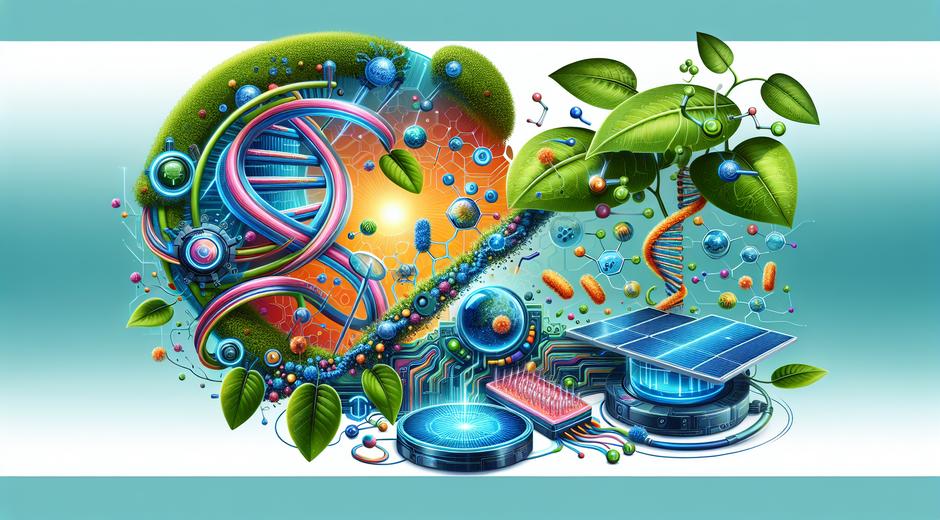


Bio Innovation: How Biology Driven Creativity Is Reshaping Industry and Daily Life
Bio innovation is no longer a term reserved for lab reports or science journals. It has grown into a broad movement that merges biology with technology and business to transform health care agriculture manufacturing and environmental care. From new diagnostic methods to sustainable materials and smart farming the scope of bio innovation touches almost every part of the economy and daily life. In this article we explore the core ideas behind bio innovation key sectors that are changing fastest the benefits and the main challenges and why readers and decision makers should pay attention today.
What Is Bio Innovation
Bio innovation refers to the application of discoveries in biology to create new products services and processes that solve real world problems. It includes advances that use living systems or parts of living systems as the basis for technology. Innovations may emerge from basic research in molecular biology genetics microbiology or ecology and then move toward practical use through engineering design clinical trials or pilot production. The goal is to deliver tangible value to people industry and the planet while respecting safety and ethics.
Core Areas Driving Change
Several fields within biology are producing a flow of innovations that industry watchers track closely. These areas include diagnostics and precision medicine where rapid accurate tests and targeted therapies reduce harm and improve outcomes. Synthetic biology and metabolic engineering allow designers to program cells to produce medicines fuels and new materials. Agricultural biotechnology boosts crop resilience and yield while reducing the need for water and chemicals. Industrial biotechnology creates biological routes to materials and chemicals that once relied on fossil resources. Finally bioinformatics and artificial intelligence enable better design of experiments faster drug discovery and deeper insights from large data sets.
Healthcare and Precision Medicine
In health care bio innovation leads to earlier detection and more effective treatment. New tests based on genomic and proteomic markers can spot disease at an early stage while therapies tailored to a person genetic profile offer higher success rates and fewer side effects. Cell based therapies and gene editing are opening possibilities for conditions once considered untreatable. The impact is both clinical and economic because better outcomes reduce long term care costs and improve quality of life.
Agriculture and Food Systems
Bio innovation in agriculture focuses on resilience productivity and sustainability. Scientists develop varieties that tolerate heat drought and pests while using less water and fewer inputs. Microbial products enhance soil health and plant growth in ways that can reduce reliance on synthetic chemicals. Beyond crops bio innovation is changing how we produce protein through fermentation and cell based methods that require less land and water than traditional livestock. These changes can improve food security and reduce pressure on natural ecosystems.
Sustainable Materials and Industrial Use
Industries are adopting biological methods to make materials and chemicals that were once derived from fossil sources. Microbial fermentation can produce biopolymers adhesives and solvents. Enzyme driven processes replace harsh chemical steps and cut energy use. These paths create products that are often biodegradable or easier to recycle and help companies meet environmental goals while opening new market opportunities. Large brands and small enterprises alike are exploring how to integrate these bio based materials into mainstream production.
Data and Design: Bioinformatics and AI
Massive data sets from genomes clinical records and sensors are enabling smarter discovery and design. Bioinformatics tools identify targets for drugs and traits for breeding. Machine intelligence speeds up simulation and prediction so researchers can test more ideas faster and at lower cost. This combination enhances the pace of bio innovation and makes it feasible for smaller teams to develop breakthroughs that previously required large budgets and decades.
Economic and Social Benefits
Bio innovation creates new markets and jobs while helping to address pressing social needs. Health gains lead to higher productivity and fewer lost years of life. Sustainable production methods reduce pollution and resource depletion which benefits communities and lowers long term costs. Innovations often spawn entire clusters of activity attracting investment talent and supporting education and training programs. For news and analysis on how these trends affect societies and markets you can follow leading outlets such as newspapersio.com which track developments across science policy and business.
Challenges and Risks
As with any transformative field bio innovation faces serious challenges. Effective regulation must strike a balance between safety and the ability to innovate. Ethical questions arise around privacy consent and the limits of genetic modification. There is also the risk of unequal access where benefits concentrate in affluent regions while others fall behind. Intellectual property systems and funding structures can either enable broad benefit or reinforce inequality. Careful design of policy and business models is essential to manage these risks while allowing positive change to proceed.
Policy and Governance
Governments and international bodies play a crucial role in shaping the direction of bio innovation. Clear regulatory pathways predictable standards and investment in public research infrastructure encourage responsible development. Public engagement is vital to build trust and inform policy choices. Collaboration across science industry and civil society helps ensure that benefits are shared and that oversight keeps pace with technical change. Business leaders and policy makers can find communities to discuss strategy and governance at specialist forums such as BusinessForumHub.com which provide practical guidance and peer learning.
How Companies Can Embrace Bio Innovation
Established firms and startups both have roles to play. Companies can start by scanning the landscape for biological solutions that align with their core capabilities and customer needs. Partnering with research institutions or investing in internal talent and capabilities is often a faster path than building everything from scratch. Pilots and validation projects help demonstrate value before scaling. Equally important is a commitment to transparent governance data stewardship and equitable access so that new products enjoy public support and long term viability.
Looking Ahead
Bio innovation will continue to accelerate as tools and knowledge improve. Miniaturized labs automation and cloud based collaboration make it easier to test ideas. As costs fall more actors can participate from small companies to research teams in low resource settings. The key to maximizing benefit will be deliberate choices about investment regulation and inclusion. When guided by sound ethics and robust oversight bio innovation can deliver healthier communities more resilient food systems and cleaner production methods.
Conclusion
Bio innovation stands at the intersection of science business and public policy. Its potential to address major global challenges is immense but realizing that potential requires careful attention to safety equity and governance. Stakeholders need to stay informed to seize opportunities and manage risks. Reliable reporting and discussion venues help citizens professionals and decision makers follow progress and weigh trade offs. Whether you are an entrepreneur a policy maker a researcher or an informed reader understanding bio innovation helps you navigate the choices that will shape our shared future.