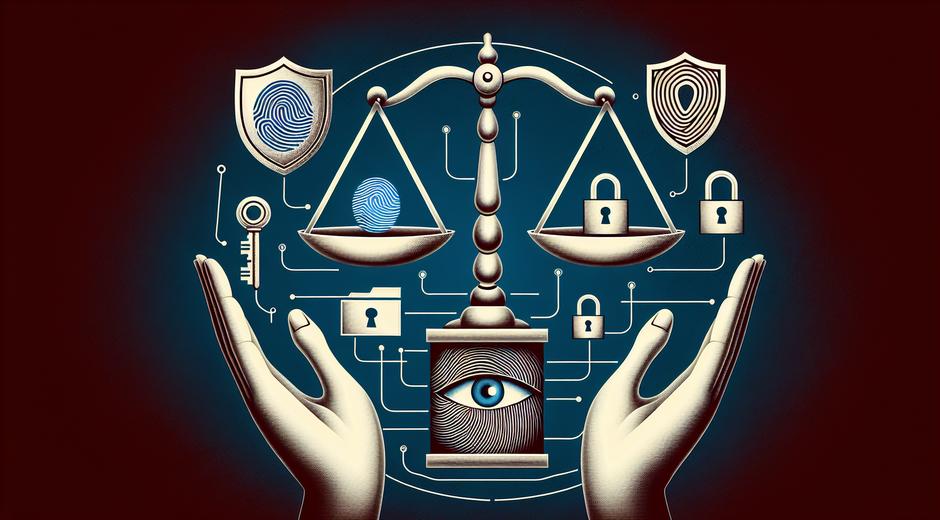


Biometric Privacy Laws
As technology advances at speed that seems nonstop many organizations collect data that is deeply personal and uniquely tied to each person Biometric data includes items such as fingerprint templates face recognition profiles voice prints and retinal scans These identifiers can unlock devices verify identity and streamline user access yet they also raise important privacy questions Lawmakers and regulators around the globe are now crafting Biometric Privacy Laws to protect citizens while allowing innovation to continue
What counts as biometric data
Biometric data covers any measure that is derived from a physical or behavioral characteristic and can be used to identify an individual Common examples include fingerprint patterns face images iris scans hand geometry voice patterns and gait analysis Unique behavioral metrics such as typing rhythm can also be treated as biometric identifiers The key difference between biometric data and other personal data is permanence and uniqueness A fingerprint or an iris pattern cannot be easily changed once it is compromised This permanence makes biometric data extremely sensitive and worthy of special legal protection
Why Biometric Privacy Laws matter
Biometric data creates both opportunity and risk On one hand biometric systems increase security and convenience For financial institutions health care providers and law enforcement biometric authentication can reduce fraud speed up processes and confirm identities with high accuracy On the other hand misuse or inadequate protection of biometric data can lead to identity theft long term surveillance and erosion of civil liberties Once biometric information is captured and stored it can be used for purposes beyond the original consent unless laws restrict secondary use and require strict safeguards
Biometric Privacy Laws aim to do several things They seek to define what counts as biometric data set standards for collection storage and retention require notice and informed consent and create rights for individuals such as access correction and deletion Remedies and penalties for misuse are often part of these laws These protections help build trust between consumers and technology providers and they encourage responsible innovation
Key elements found in current laws
Across jurisdictions several recurring elements appear Many laws require informed consent before biometric data is collected Consent must be specific and informed meaning general consent that covers many types of data is usually not enough Other laws mandate secure storage This can include encryption limited retention periods and restrictions on sharing with third parties Some laws create private rights of action allowing individuals to seek compensation through the courts when their rights are violated Others rely on regulators to enforce rules and levy fines
Transparency obligations are also common Businesses may be required to publish privacy notices that explain why biometric data is needed how it will be used and whom it will be shared with Data minimization is another principle where organizations collect only the biometric data that is necessary for a clear purpose
Global approaches to biometric regulation
Different regions have adopted varied approaches In the European Union the General Data Protection Regulation treats biometric data as a special category of personal data that needs enhanced protection Processing such data is permitted when specific conditions are met such as explicit consent or necessity for reasons of public interest Many EU member countries add national rules to address sector specific use cases
In the United States regulation has proceeded mainly through state laws and litigation The Illinois law known by the initials BIPA set a high bar for consent and data handling and has inspired lawsuits and settlements across the country Several other states have followed with their own laws Each of these laws has nuances in terms of enforcement remedies private rights of action and scope of covered data
In parts of Asia and Latin America lawmakers are also moving forward often balancing economic priorities with privacy safeguards Some countries create dedicated biometric rules within broader data protection frameworks while others address biometric issues through sector specific guidance
Challenges for businesses and public agencies
Complying with Biometric Privacy Laws can be complex Organizations must inventory biometric processing activities update privacy policies and redesign data flows to embed privacy by design Operational changes may include stronger authentication for access to biometric data better encryption practices and new consent management systems Firms that operate across multiple jurisdictions must navigate a patchwork of laws that may conflict in scope or timing
Public agencies that rely on biometric systems for identification face additional scrutiny For example use of face recognition in public spaces has sparked debates about mass surveillance potential biases in algorithmic systems and unequal impacts on different groups Public sector deployments often require higher levels of transparency oversight and independent auditing
Best practices for compliance and trust building
Organizations that handle biometric data can follow several best practices to meet legal obligations and maintain public trust First adopt clear and specific consent mechanisms that explain exactly what data is collected and how it is used Second limit collection to the minimum necessary for the stated purpose and avoid repurposing data for unrelated aims Third implement strong technical safeguards such as encryption and access controls Fourth establish data retention policies and delete biometric records when no longer needed Fifth consider independent audits and impact assessments to detect bias and security gaps
Engaging with users proactively is also important Transparency reports public consultations and user friendly privacy dashboards help build confidence Moreover partnering with trusted expert groups and following recognized standards can signal a commitment to responsible data stewardship
Recent legal trends to watch
Several trends are shaping the future of Biometric Privacy Laws Lawmakers are increasingly focused on algorithmic fairness and bias mitigation meaning that rules will likely require assessments of how biometric systems perform across diverse populations Another trend is greater attention to data portability and individual control allowing people to access and move their biometric data between services There is also momentum for harmonization to reduce friction for multinational operators while still protecting citizens
Class action suits and regulatory enforcement actions related to biometric collection have raised awareness and prompted many organizations to reevaluate their practices The evolving case law gives hints about how courts interpret consent adequacy retention limits and damage calculations
How the public can protect itself
Individuals have steps they can take to protect biometric privacy Ask questions before providing biometric information Who will have access How long will data be kept Can the data be deleted If consent is given ask whether it is required or optional for the service Consider alternatives such as traditional passwords when possible and enable privacy settings on devices that use biometric unlock features Keep software updated and prefer products from companies that publish transparent privacy practices
For ongoing coverage of legal changes and policy debates visit reliable news sources and consult privacy professionals when needed For example you can find broad coverage of privacy trends and related stories at newspapersio.com which tracks regulatory developments and technology impacts across sectors
Conclusion
Biometric Privacy Laws are an essential part of the modern data protection landscape They recognize that biometric data is uniquely sensitive and that misuse can have long term consequences Unlike passwords biometric identifiers cannot be reset easily Therefore laws that require informed consent limit retention require strong security and provide remedies for violations create a balance between innovation and individual rights As technology evolves regulators will refine rules and organizations must adapt to stay compliant and maintain public trust To learn more about emerging practices and products that affect personal privacy check resources such as StyleRadarPoint.com which reviews technology topics and consumer guidance