

Climate Finance Gap What It Means for Our Planet and Our Future
The phrase Climate Finance Gap captures a growing crisis in global efforts to prevent catastrophic warming and to help communities adapt to change that is already happening. As nations set ambitious targets and climate policies evolve quickly around the world many actors still face an enormous shortfall between the finance that is needed and the finance that is available. Closing that gap is not only a matter of fairness for vulnerable countries and communities it is essential to reduce the human and economic toll of extreme weather and long term shifts in climate patterns.
What Is the Climate Finance Gap
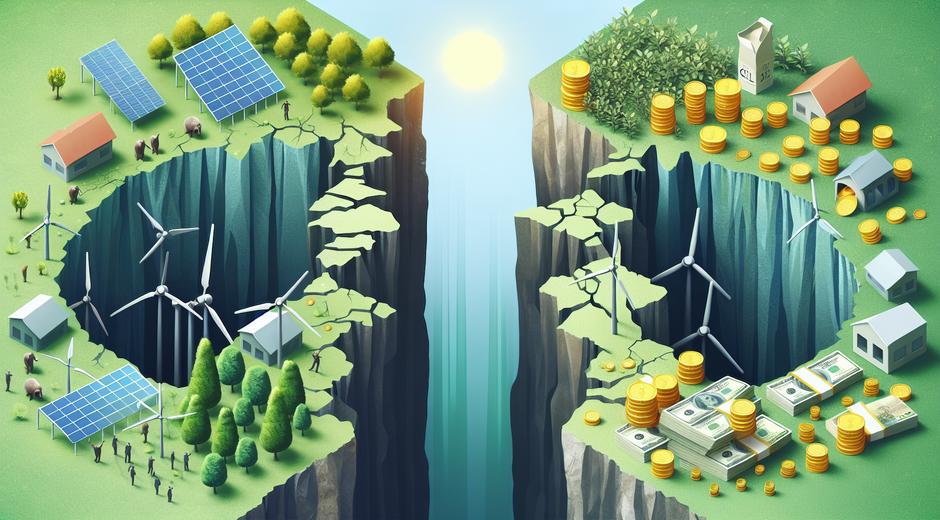
The Climate Finance Gap describes the difference between the money required to meet agreed climate goals and the money that is currently being mobilized from public and private sources. Needs include finance for mitigation that reduces emissions and for adaptation that builds resilience to impacts such as sea level rise floods drought and heat waves. Estimates of the gap vary by methodology and time frame but all point to a large persistent shortfall especially for adaptation in lower income countries.
Why the Gap Matters Now
Unchecked the gap will leave millions at greater risk of food insecurity displacement and loss of livelihoods. It will also undermine the feasibility of net zero plans and long term economic stability in many regions. Investment in early action often yields far greater returns than spending after a disaster. Yet current budgets and market flows favor established sectors and places with stronger institutions leaving front line communities with limited access to funding. This imbalance is both a moral issue and a barrier to achieving global stability and prosperity.
How the Gap Is Measured
Tracking the Climate Finance Gap requires clear definitions and consistent data. Analysts measure flows by source public versus private by instrument such as grants loans and guarantees and by purpose mitigation versus adaptation. Reporting differences and inconsistent accounting methods across countries and institutions complicate comparisons. Despite these challenges independent research institutions academic teams and multilateral development banks produce estimates that highlight trends and reveal where policy change can have the greatest effect.
Main Drivers of the Gap
Several factors drive the size and persistence of the Climate Finance Gap. First many projects in adaptation lack revenue streams that attract private finance so traditional investment models do not apply. Second risk perception is high in many vulnerable regions where political economic and environmental uncertainty raises the cost of capital. Third the scale of transformation required in energy transport and urban systems is massive and requires coordinated public investment to de risk early stage technologies. Fourth international climate finance pledges have often been unmet or delivered with conditions that limit impact.
Consequences for Developing Countries
Developing countries face the double burden of less historical responsibility for emissions and higher exposure to climate harm. Limited access to concessional finance and technical capacity can delay adaptation investments and recovery from shocks. Debt vulnerability can also increase when capital is used for reconstruction rather than resilience building. Closing the gap is therefore critical to protect development gains expand access to clean energy and support sustainable growth pathways that minimize future climate costs.
Policy and Financial Solutions to Close the Gap
Addressing the Climate Finance Gap requires systemic changes across policy design market incentives and international cooperation. Key solutions include
1. Scaling up public finance from developed countries in line with established commitments and improving predictability so partner countries can plan multi year investments.
2. Using concessional resources to de risk projects and to catalyze private capital. Instruments such as first loss capital guarantees and concessional loans can make projects bankable.
3. Expanding blended finance models that combine public grants or concessional capital with commercial investment to support projects in early stages.
4. Developing local financial markets and strengthening domestic banks so that lending for clean infrastructure flows through local systems and supports jobs and economic stability.
5. Improving transparency reporting and common standards so investors can compare risk and return across projects and countries. Better data also helps donors and policy makers target scarce resources where they deliver the greatest impact.
The Role of Private Capital
Private investors will need to play a central role but incentives must change. New asset classes such as climate resilient infrastructure green bonds and nature based solutions can attract long term investors when risk and regulatory frameworks are clear. Pension funds insurance companies and institutional investors hold large pools of capital yet require stable predictable returns. Public actors can align incentives by creating effective pricing mechanisms and by offering credit enhancements that reduce perceived risk.
Innovations That Can Make a Difference
Emerging tools are helping to channel capital more efficiently. These include performance based finance approaches that link disbursement to verified outcomes climate risk insurance that transfers shock risk to global markets and digital technologies that improve transparency of project impact and reduce transaction costs. Crowding in impact oriented investors through intermediaries and specialized funds also unlocks new sources of capital for small scale projects that are often overlooked by large investors.
International Cooperation and Governance
Global coordination matters. Multilateral development banks and international funds can pool resources provide technical assistance and set standards that shape market behavior. Developed countries must meet financial commitments and support capacity building in vulnerable countries so that projects move from planning into implementation. Innovative governance that elevates local voices in decision making enhances effectiveness and helps align projects with community needs.
What Can Governments and Cities Do Today
Local and national governments can take immediate actions to reduce the gap. Clear climate strategies stable regulatory regimes and streamlined permitting attract investment. Public budgets can prioritize resilience in social protection infrastructure and nature based approaches that deliver multiple benefits. Cities can pilot scalable solutions in energy efficiency public transport and urban water systems that demonstrate bankable models for replication at larger scale.
How Readers Can Stay Informed and Support Change
Understanding the dynamics of climate finance empowers citizens investors and policy makers to make informed choices. For ongoing coverage analysis and resources on climate finance and other pressing global issues visit newspapersio.com where you will find reporting that connects data with policy and human stories. For deeper dives into innovative finance case studies and ideas for community level action explore resources available at Museatime.com which highlights practical projects and tools.
Conclusion Closing the Gap Is Essential and Possible
The Climate Finance Gap is a clear signal that current systems are not aligned with the scale of the climate challenge. Yet solutions exist and the path forward is a combination of stronger public commitments smarter use of scarce concessional resources and better alignment of private capital with long term climate resilient outcomes. With the right policies and partnerships we can turn finance into a force for resilient inclusive low carbon development that benefits people and the planet now and for future generations.