

Climate Litigation: How Lawsuits Are Reshaping Climate Policy and Corporate Behavior
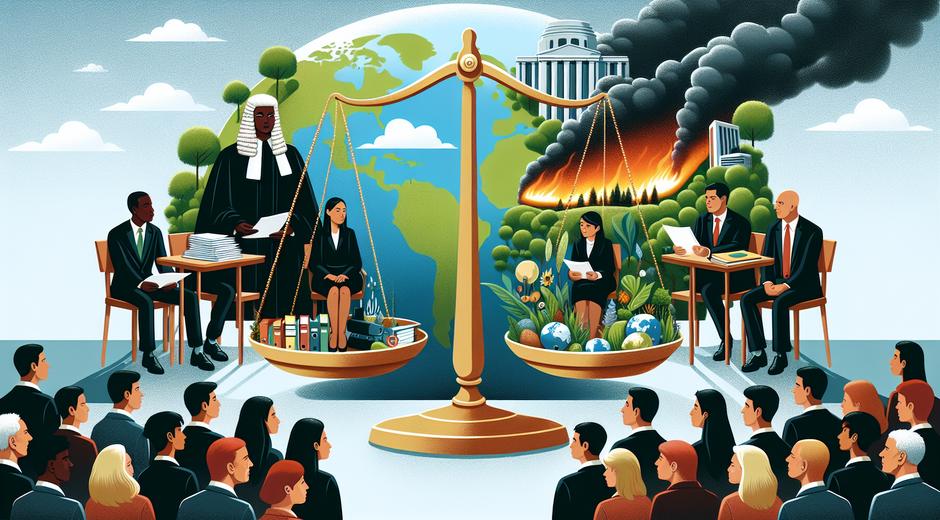
Climate Litigation has grown from a niche legal area into a global force that influences public policy corporate strategy and the pace of energy transition. Courts around the world are increasingly asked to decide whether governments and companies must do more to protect people and ecosystems from climate harms. This article explores the emergence of Climate Litigation the legal theories used the major cases shaping this field and what outcomes businesses and policymakers should expect next.
What is Climate Litigation
Climate Litigation refers to legal actions that seek to hold governments or private actors accountable for causing or failing to prevent climate change related harm. These cases can be filed on multiple legal bases including human rights tort law administrative law and contract law. Plaintiffs range from youth and indigenous communities to cities and climate focused organizations. Their claims often ask courts to require stronger emissions controls compel government action or award damages for losses such as flooding health impacts and property damage.
Why Climate Litigation Matters for Policy and Accountability
There are three core reasons Climate Litigation is important. First litigation creates accountability by forcing disclosure and setting legal precedents. Court rulings can require greater transparency from corporations about climate risk and can confirm that governments have legal obligations to protect residents from foreseeable harms. Second litigation can accelerate policy change. When courts rule that existing measures are inadequate this can trigger legislative reforms or motivate regulatory agencies to adopt stricter standards. Third litigation helps shape public debate. High profile cases raise awareness and can shift social norms which in turn influence investor and consumer behavior.
Key Legal Theories and Strategies
Lawyers use diverse strategies when bringing Climate Litigation. Common approaches include public trust claims which argue that governments hold natural resources in trust for current and future generations and must manage them responsibly. Human rights claims argue that severe climate impacts violate rights such as the right to life health or housing. Tort law claims seek damages for harms caused by pollution and greenhouse gas emissions. Administrative law claims challenge agency decisions that fail to consider climate impacts or that approve permits without adequate review.
Strategic litigation often targets disclosure obligations. For instance corporate disclosures about climate risk and transition plans are becoming a major focus for regulators and litigants. These cases not only aim to remedy past harms but also to prevent future harms by compelling stronger governance and planning.
Notable Cases and Global Trends
Several landmark cases illustrate how Climate Litigation is evolving. A European example is the case in which a court found that a government must protect citizens from climate risks leading to stronger national targets. In another region a youth led lawsuit argued that government inaction violated constitutional rights and the court recognized that future generations have a stake in climate policy. Corporate cases have also been important. Some lawsuits against major energy companies claim these firms misled investors and the public about the risks of fossil fuel based business models or the role their products play in climate change.
Across jurisdictions courts have taken different approaches but there is a clear global trend. More judges are willing to consider scientific evidence about climate impacts and more legal systems are open to novel arguments that link climate harms with established rights. This trend is fueling a wave of new filings and encouraging non judicial actors such as regulatory agencies and investors to respond proactively.
How Courts Evaluate Climate Evidence
Courts assessing Climate Litigation must grapple with complex scientific evidence about attribution of harm to emissions timing and future risk. Advances in climate science including attribution studies that link specific extreme events to greenhouse gas concentrations have strengthened plaintiffs arguments. Judges now often rely on reports from major scientific bodies and expert testimony to understand probabilities of harm and to evaluate whether defendants acted negligently or unlawfully.
Legal success often hinges on demonstrating causation and foreseeability. Plaintiffs work to show that defendants knew or should have known about risks and that their actions contributed materially to the harm. Defendants may argue that policy choices are for elected branches not courts or that causation is too diffuse to assign liability. How courts resolve these questions can alter the legal landscape dramatically.
Impact on Business and Investment
Companies face rising legal and financial risk from Climate Litigation. Lawsuits can lead to costly judgments and can force strategy changes such as accelerating transition plans or investing in resilience. Even when claims fail courts often order disclosure which can reveal corporate vulnerabilities and affect investor confidence. This is prompting many firms to adopt more rigorous climate governance upgrade risk assessments and engage more transparently with stakeholders.
Investors and insurers are also paying attention. Litigation risk feeds into risk models which influence the cost of capital and insurance premiums for high carbon projects. As litigation outcomes accumulate the market may increasingly price legal exposure into valuations creating stronger incentives for companies to reduce emissions and plan responsibly for climate impacts.
Opportunities and Challenges for Plaintiffs
Plaintiffs gain power from scientific advances and from strategic targeting of defendants with deep pockets or public responsibilities. Bringing cases against governments or major emitters can yield substantial policy shifts and public attention. However challenges remain. Litigation is resource intensive and can take many years to resolve. Jurisdictional hurdles and procedural rules may prevent courts from hearing certain claims. Moreover some judges remain reluctant to impose sweeping obligations on governments or to interfere with policy choices deemed political.
To succeed litigants often combine legal action with public campaigns and coalition building. This hybrid approach amplifies legal arguments and creates sustained pressure on decision makers. It also helps ensure that court victories translate into durable policy reform.
Practical Steps for Stakeholders
For policymakers climate aware law making can reduce litigation risk while improving outcomes for communities. Clearer statutory obligations on emissions and stronger regulatory processes that require robust climate impact analysis can reduce court challenges and increase public trust. For companies enhancing climate governance improving disclosure and aligning business plans with science based targets can mitigate legal exposure and attract long term capital.
Civic groups and communities considering Climate Litigation should assess legal standing potential remedies and the scope of scientific evidence available. Building partnerships with academic experts and experienced counsel strengthens cases. Engaging the media and mobilizing public support can also increase the likelihood that legal wins lead to policy change.
Where Climate Litigation is Heading
The next decade is likely to see more Climate Litigation across every continent with growing diversity in plaintiffs and legal claims. Courts will be asked to confront questions about corporate accountability the boundaries of human rights in a warming world and the duty of states to prevent foreseeable harms. As precedents accumulate they will create a web of expectations shaping governance markets and behavior.
While courts are only one avenue for climate action they are a powerful complement to legislative and regulatory efforts. Firms that anticipate this changing legal environment and adapt now will be better positioned to thrive. Citizens and communities can also use litigation as a lever for justice and protection.
Staying Informed
For ongoing coverage of legal developments climate policy and related news visit newspapersio.com where reporters track major cases and analyze implications for business and society. For families seeking resources to educate children about climate science and resilience check out trusted lifestyle resources such as CoolParentingTips.com which offers practical guides for learning and preparedness.
Climate Litigation is shaping a new era of accountability. Whether through strategic lawsuits or improved governance the combined effect will be to raise expectations for action and to clarify the obligations of those in power. Stakeholders who understand these dynamics and engage proactively can help ensure that legal outcomes support a safer fairer and more resilient future.