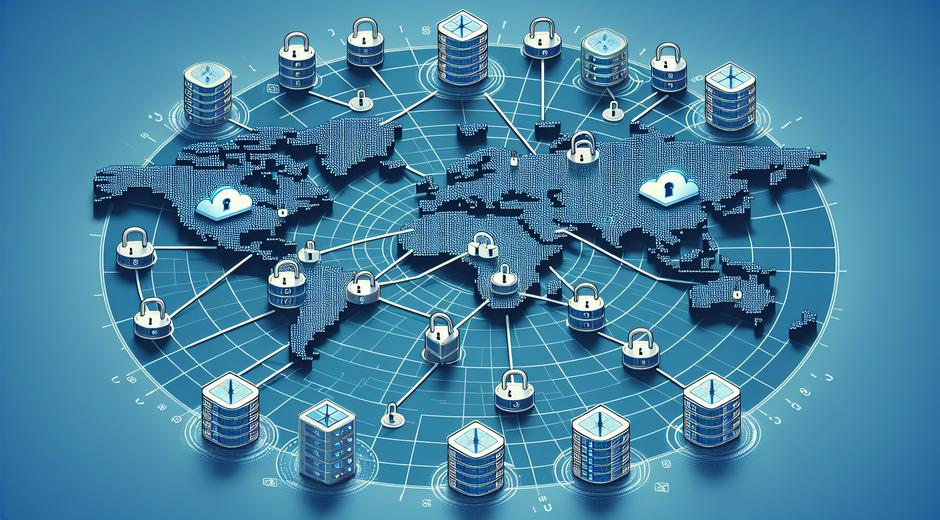


Data Localization: What It Means for Governments Businesses and Citizens
Understanding Data Localization
Data Localization is a policy approach that requires personal or critical information to be stored within the borders of a specific country. Governments introduce these rules to assert jurisdiction over information that concerns their citizens and to protect national security. For businesses the rules can create new operational demands while citizens may see improved privacy protections or reduced access to international services. Clear communication about the scope and intent of Data Localization is essential for public trust.
Why Governments Pursue Data Localization
There are several drivers behind Data Localization laws. First many governments seek to strengthen sovereignty over digital information that relates to their population. Second law enforcement agencies require access to data for investigations and court proceedings without having to rely on cross border legal processes. Third in some regions economic objectives play a role with the aim of boosting local data center markets and creating jobs. Lastly public concern about foreign control of sensitive information often leads policymakers to favor domestic storage as a form of digital protection.
How Data Localization Impacts Businesses
For companies that operate internationally Data Localization can alter architecture choices and increase cost. Firms must evaluate where data is collected processed and stored and then adjust infrastructure accordingly. Smaller companies may face high compliance barriers while larger enterprises need complex governance to ensure data flows meet local rules. Some common business responses include investing in local cloud or data center capacity revising contractual terms with service providers and redesigning data life cycle management practices.
Compliance Challenges and Practical Steps
Meeting Data Localization requirements involves legal technical and operational work. Organizations should start with a data map that identifies what information is subject to localization and where it currently resides. Next a compliance framework that includes policies access controls encryption and incident response plans is vital. Technical measures may include establishing local databases using cloud providers that offer regional hosting options or deploying edge storage solutions to keep data within required borders.
Privacy Security and Civil Liberty Considerations
Proponents argue that Data Localization enhances privacy and security by keeping information under domestic law and control. Critics counter that forced localization can reduce privacy if local jurisdictions lack strong safeguards against government surveillance. It can also fragment the internet creating barriers to cross border collaboration and innovation. Policymakers need to balance national security concerns with privacy protections and the rights of citizens to access global services.
Economic Effects and Market Responses
Adopting Data Localization can stimulate local investment in data center capacity and cloud infrastructure which benefits employment and technology sectors. At the same time it can raise costs for companies that previously relied on global infrastructure economies of scale. Market responses include the rise of local cloud providers partnerships between international vendors and local operations and hybrid deployments that combine domestic storage with international processing where permitted.
Technology Options for Meeting Data Localization
There are several technical strategies organizations can use to align operations with Data Localization rules. One option is to use regional cloud services that guarantee storage and processing within a specific geography. Another approach is to implement robust encryption so that even if data crosses borders it remains protected. Data tokenization and anonymization can reduce compliance scope by removing identifiable elements. Careful control of access credentials and audit logging ensures that only authorized personnel can handle localized information.
Cross Border Data Transfers and Legal Instruments
Even with localization laws many countries recognize legitimate needs for cross border data transfers such as multinational collaboration and global research. Legal instruments like model clauses standard contractual terms and government to government agreements can facilitate transfers while respecting local rules. Organizations must stay aware of evolving case law and regulatory guidance which can change the landscape quickly. Engaging legal experts with experience in international data privacy helps organizations avoid costly pitfalls.
Sector Specific Impacts
Different industries experience Data Localization in unique ways. Financial services often face strict rules due to the sensitivity of transaction records and customer details. Healthcare sectors must protect medical records and test results while enabling timely care coordination. E commerce platforms handle large volumes of consumer information and must ensure compliance across multiple jurisdictions. Each sector needs tailored strategies that reflect the type of data processed and the applicable regulatory expectations.
Best Practices for Organizations
To navigate Data Localization effectively organizations should adopt a proactive posture. Start with senior leadership buy in and establish a cross functional team that includes legal IT compliance and business unit representatives. Develop a data classification scheme so teams know which information falls under localization constraints. Invest in training for staff and vendors so everyone understands responsibilities. Finally maintain continuous monitoring and conduct periodic audits to ensure policies work in practice and adapt as regulations change.
Public Communication and Transparency
Clear public communication is important when Data Localization policies affect citizens. Governments and businesses should explain why certain measures are in place what data is affected and how individuals can exercise their rights. Transparency builds trust and helps reduce confusion about the implications of storing information locally. Media outlets NGOs and civil society organizations can play a role in highlighting concerns and offering suggestions for balanced implementation.
International Cooperation and Harmonization
Long term solutions often involve international cooperation to harmonize rules and reduce friction. Multilateral frameworks that set interoperable standards for privacy security and lawful access can ease the burden of complying with varying national rules. Harmonization efforts require diplomacy and technical alignment but can yield a more predictable environment for global services and cross border research projects.
Where to Learn More and Build Capacity
Organizations and individuals who want to deepen their understanding of Data Localization should seek resources that explain legal developments technology options and compliance strategies. For general updates and news on technology policy you can visit newspapersio.com which covers developments that shape the digital economy. For training and educational programs that help build practical skills in data governance consider trusted learning platforms like StudySkillUP.com which offers courses on privacy law and technical implementation.
Looking Ahead
The debate around Data Localization will continue as technology evolves and global tensions shift. Policymakers must craft rules that protect citizens without isolating digital markets or stifling innovation. Businesses need flexible architectures and strong governance so they can adapt to new requirements quickly. Citizens should stay informed about how their data is managed and advocate for safeguards that protect privacy and rights. By focusing on transparency collaboration and technology neutral solutions it is possible to achieve a balance that serves security economic growth and individual freedoms.
Data Localization is not a simple yes or no question. It is a complex policy area that intersects with law technology commerce and human rights. Careful planning and thoughtful public dialogue can help shape outcomes that are fair equitable and sustainable for the long term.