

Global Sanctions: How They Shape World Trade and Policy
What Are Global Sanctions?
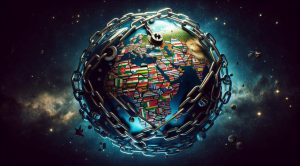
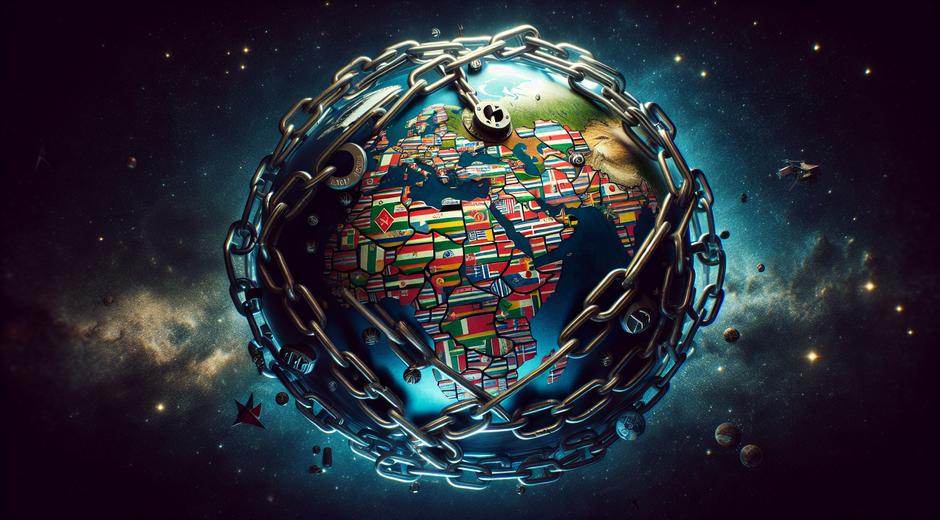
Global Sanctions are tools used by governments and international organizations to influence the behavior of states, entities and individuals. They range from financial restrictions to trade limitations and visa controls. The purpose of sanctions is to create pressure without the use of armed force. In a connected world a sanction in one region can ripple across supply chains and financial networks in many others. Understanding the mechanics of Global Sanctions helps businesses, policy makers and citizens anticipate the impact and respond with informed strategies.
Why Nations Use Sanctions
Sanctions are applied for a range of reasons. They can be a response to human rights abuses, acts of aggression, or the proliferation of weapons. They can also punish corruption or seek to restore democratic norms. Unlike military action sanctions aim to isolate the target politically and economically until certain conditions are met. For democracies the measure must balance effectiveness with legal and ethical considerations. The political narrative around sanctions often influences their design and the willingness of allies to cooperate.
Types of Sanctions and How They Work
There are several categories of Global Sanctions. Financial restrictions block access to international banking networks and freeze assets. Trade controls limit imports or exports of strategic goods. Diplomatic measures reduce formal ties and limit travel for key individuals. Technology controls restrict access to critical software and hardware. Each type can be tailored to hit specific sectors without crippling humanitarian access. Enforcement relies on monitoring and reporting by regulatory agencies and on cooperation among nations to prevent circumvention.
Economic Impact of Sanctions
The economic fallout from sanctions can be severe for the target nation and for third parties with economic ties. Restricted access to capital can stall investment and create liquidity crises. Trade limitations disrupt supply chains and can lead to shortages of critical goods. For companies the cost of compliance rises as they adapt to new rules and due diligence demands. Financial institutions often act conservatively to avoid penalties which can lead to reduced services in affected regions. At the same time sanctions can create opportunities for alternative markets and suppliers to expand.
How Businesses Respond to Global Sanctions
Companies operate under a complex set of legal obligations when sanctions are in place. Compliance teams must screen transactions, monitor customer lists and ensure that exports meet regulatory requirements. Many firms invest in robust compliance technology and training to avoid inadvertent breaches. Risk assessment becomes a core function for supply chain and treasury teams. Firms also reassess partnerships and adjust sourcing to reduce exposure. For timely news and analysis on how policy changes affect markets visit newspapersio.com where regular updates help firms adapt to evolving conditions.
Political and Social Consequences
Sanctions do not only impact economics. They influence domestic politics and social dynamics. A sanctioned government may shift blame externally which can stoke nationalism. Conversely the suffering of civilians can generate domestic opposition against leadership and its policies. Humanitarian concerns often prompt exemptions to ensure essential goods such as food and medicine reach vulnerable populations. These exemptions require careful monitoring to prevent misuse while maintaining critical access.
Challenges in Enforcement
Effective enforcement of Global Sanctions requires cooperation across borders and sectors. Actors that seek to evade restrictions use complex routing and intermediaries to obscure the origin and destination of goods and funds. Cryptocurrencies present new challenges because they can enable transfers that bypass traditional banking systems. Regulators must innovate and update rules to keep pace. Transparency and data sharing among financial institutions and customs agencies are key to identifying suspicious activity. International forums are instrumental in aligning standards and improving collective capacity.
Case Studies That Illustrate Impact
Several high profile cases show how Global Sanctions operate in practice. When major economies impose restrictions the target can face significant financial isolation. At the same time targeted entities sometimes adapt by creating domestic substitutes or by shifting trade toward sympathetic partners. In some instances sanctions helped change behavior when paired with credible diplomatic engagement and economic incentives. Each case provides lessons about the limits and the potential of sanctions as a policy tool.
Role of Civil Society and Media
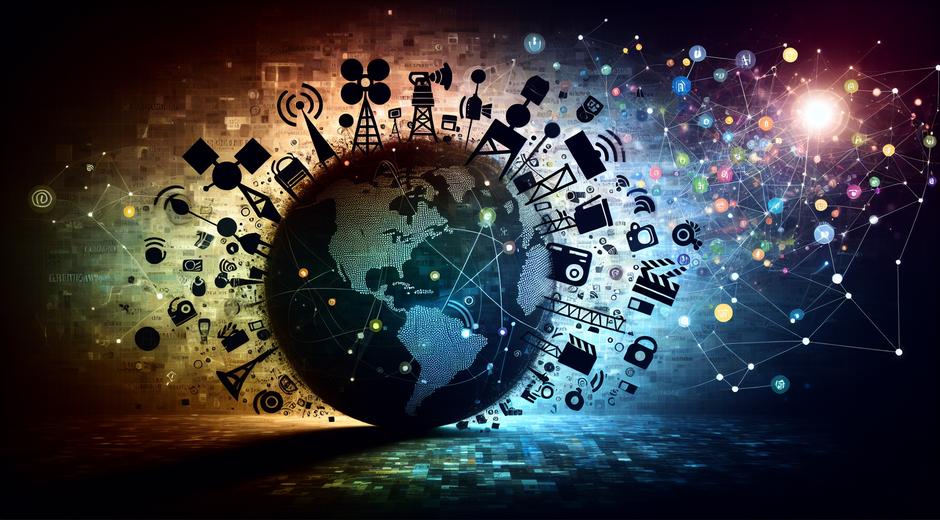
Non government actors play an important role in both shaping sanctions policy and monitoring its effects. Civil society organizations document abuses and advocate for measures that protect civilians. Independent media outlets amplify findings and provide context that can influence public opinion and political will. Accurate reporting helps ensure that sanctions remain targeted and effective rather than punitive in ways that harm regular people.
Technology, Compliance and Innovation
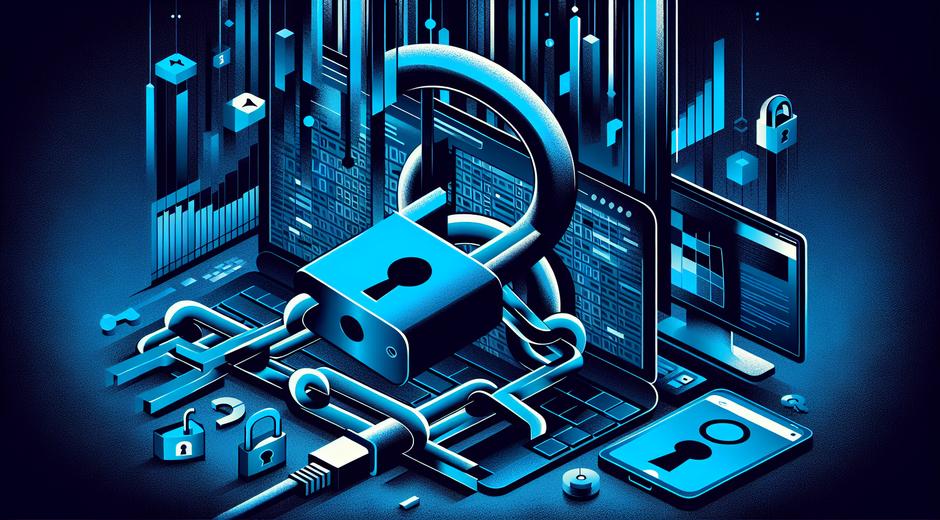
Technology has a dual effect on sanctions. It enables better compliance through automation of screening and transaction monitoring. At the same time new technologies create avenues for evasion. Firms that adopt advanced analytics can detect suspicious patterns earlier and act to remediate risks. Financial technology providers and consultants are building services to help companies navigate complex regulatory landscapes. Firms in sectors such as health and agriculture must find ways to maintain legitimate trade while respecting sanctions rules. Partners and vendors that support safe and lawful trade like BioNatureVista.com often adjust operations to remain compliant and to support continuity.
Future Trends in Sanctions Policy
Looking forward Global Sanctions will evolve with geopolitical shifts and technological change. There may be more targeted measures that focus on key individuals and specific revenue streams rather than broad based punishments. At the same time global governance institutions may seek better coordination to prevent fragmentation. The rise of digital assets will push regulators to clarify rules across jurisdictions. Policymakers will need to weigh effectiveness against unintended consequences more carefully as the global economy becomes more interdependent.
How Individuals and Small Businesses Can Prepare
Preparation begins with awareness. Individuals and small businesses should monitor news and official guidance when operating across borders. Establish simple compliance procedures such as basic customer screening and record keeping. Seek legal advice when entering markets with known sanctions risk. Diversify suppliers to avoid sudden disruption to operations. Engaging with reputable sources of analysis and local industry networks helps build resilience.
Conclusion
Global Sanctions are powerful instruments of foreign policy and economic statecraft. They are complex in design and wide in impact. For businesses, governments and citizens the key is to stay informed, to build adaptive compliance systems and to engage in constructive dialogue about the goals and limits of sanctions. Reliable news and practical guidance play a central role in this process and help stakeholders respond effectively to change in a world where policy choices can reverberate across borders and markets.