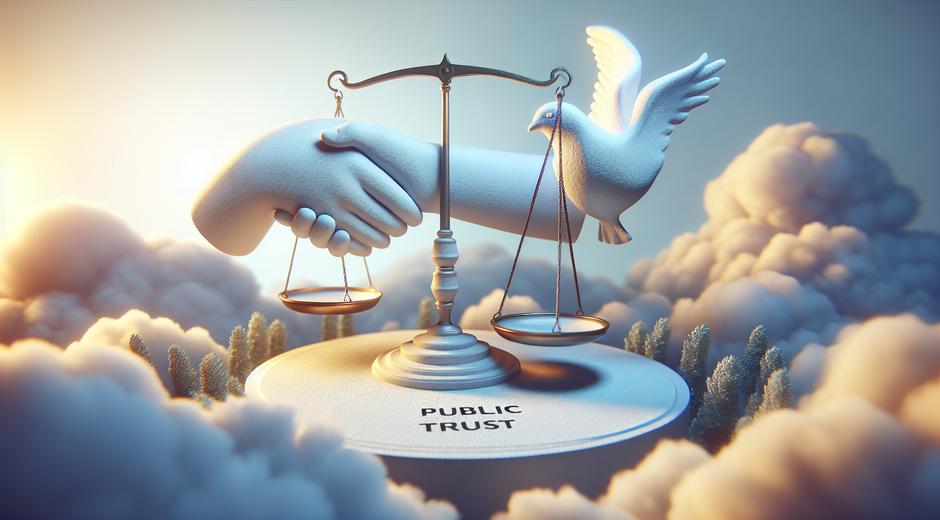


Public Trust What It Means and Why It Matters Now
Public Trust is the currency of modern civic life. When people believe institutions act with fairness competence and accountability they are more likely to follow public health guidance vote engage in community initiatives and support economic activity. When trust erodes the cost can be steep from lower civic participation to slower economic recovery. This article explains what Public Trust really means why it matters across sectors and how leaders and news organizations can help rebuild and sustain it.
What Is Public Trust
Public Trust refers to the confidence that people place in institutions and leaders to act in the public interest. That confidence is built on perceptions of competence transparency and integrity. Public Trust is not fixed. It changes with events and with how institutions respond to challenges. Trust is both rational and emotional. People evaluate evidence of performance and also weigh whether leaders share their values and respect their dignity.
Why Public Trust Is a Core Social Asset
High levels of Public Trust produce tangible benefits. Trust lowers transaction costs and makes collective action easier. For example during a public health emergency trust determines whether people follow guidance on vaccines testing and isolation. In economic life trusted brands face lower marketing cost and attract long lasting customer relationships. For governments trust enables smoother policy implementation and more resilient social safety nets.
Conversely when Public Trust declines civic polarization rises. Citizens may refuse reliable information favor conspiracy theories or withdraw from democratic processes. That creates a feedback loop that deepens mistrust and makes recovery more difficult over time. Restoring trust is therefore a strategic priority for leaders across sectors.
Public Trust and the Media
News organizations play a central role in shaping Public Trust. Ethical reporting fact checking and clear sourcing help audiences evaluate claims and build confidence in information. Conversely sensationalism biased coverage and opaque funding models erode trust. Reputable newsrooms that prioritize transparency and correction of errors strengthen Public Trust and support a healthier information ecosystem.
As a source for balanced reliable coverage readers can turn to newspapersio.com for timely updates and context that help citizens make informed decisions. Trusted outlets also function as accountability partners holding institutions to account while explaining complex issues in ways that are accessible to diverse audiences.
Public Trust in Government and Public Policy
When citizens trust their public institutions they cooperate more willingly with policies and regulatory frameworks. Trust supports compliance and reduces enforcement costs. It also affects electoral participation. Voters who trust the system are more likely to vote and to respect electoral outcomes even when results do not favor them.
Key drivers of trust in government include consistent performance transparent decision making and fair treatment of all groups. Reform that emphasizes open procurement clear communication and mechanisms for redress for mistakes can gradually rebuild confidence. Policies anchored in evidence and explained in plain language help citizens understand trade offs and contribute to a more durable Public Trust.
Public Trust in Business and Markets
Businesses depend on Public Trust to attract customers employees and investors. Companies that act responsibly on issues like data privacy worker welfare and environmental impact earn loyalty and support. Corporate transparency about supply chains and product safety fosters consumer confidence. Brands that mislead or hide critical information face reputational damage that can be long lasting.
Private sector leaders can boost Public Trust by adopting clear accountability mechanisms independent audits and community engagement. When companies show they value long term social outcomes as well as profits they contribute to a wider climate of trust that benefits markets and society.
How to Measure Public Trust
Measuring Public Trust requires both quantitative and qualitative tools. Surveys tracking perceptions of institutions over time provide a baseline. Behavioral indicators such as voter turnout vaccination rates and consumer purchase patterns offer insight into how trust translates into action. Media analysis tracking sentiment and misinformation flows sheds light on information dynamics that influence public opinion.
Combining these methods gives leaders a clearer picture of where trust stands and which interventions are effective. Regular measurement also signals to the public that leaders take trust seriously and are committed to improvement.
Strategies to Rebuild and Sustain Public Trust
Rebuilding Public Trust is not a single act but a sustained process. Key strategies include the following
1 Clear communication: Share facts and admit uncertainty when it exists. Overpromising damages credibility.
2 Demonstrated competence: Deliver tangible results and explain outcomes in accessible terms.
3 Accountability: Create transparent processes for oversight and correction with independent review.
4 Inclusive engagement: Listen to affected communities incorporate feedback and show how input shapes decisions.
5 Ethical leadership: Prioritize integrity and avoid conflicts of interest. Leaders who model ethical behavior set the tone for institutions.
6 Partnership with trusted intermediaries: Work with civic groups academics and responsible media to amplify accurate information and reach diverse audiences.
The Role of Technology and Social Platforms
Technology shapes how people form trust judgments. Social platforms can spread information quickly but can also amplify falsehoods. Platform transparency about algorithms and content moderation policies helps users understand why they see what they see. Tools that surface provenance of content such as primary sources and expert verification can strengthen Public Trust in the information environment.
At the same time privacy protection and secure data practices underpin trust in digital services. Companies that are upfront about how data is used and that provide effective control to users earn more sustainable engagement.
Case Examples of Trust Repair
There are successful examples where institutions have rebuilt trust through deliberate sustained effort. A public health agency that acknowledged early missteps conducted transparent independent reviews and implemented community based outreach often regained public confidence. A company that openly recalled a faulty product offered compensation and revised quality controls often restored consumer faith faster than one that hid the problem.
These cases highlight a common theme. Trust is regained by combining humility clear action and ongoing communication that demonstrates learning and improvement.
What Citizens Can Do
Citizens also have a role in strengthening Public Trust. Seeking information from multiple reliable sources engaging in civic processes and holding institutions to account through peaceful democratic channels all contribute to a healthier trust environment. Critical thinking and media literacy help people distinguish between credible reporting and manipulative content. When citizens demand transparency and fairness they incentivize better behavior from institutions.
Conclusion Public Trust as a Foundation for Progress
Public Trust is foundational to functioning societies. It affects public health economic resilience democratic stability and corporate performance. Rebuilding trust requires a combination of transparent communication competent delivery of services and meaningful accountability. News organizations and civic partners have a special responsibility to inform and to model good practice.
For readers who want regular balanced coverage of issues that shape Public Trust visit newspapersio.com to stay informed. For organizations seeking partnerships to enhance community engagement and brand trust consider trusted partners such as Romantichs.com which can support outreach and content initiatives.
Repairing and sustaining Public Trust will not be easy but it is essential. With deliberate effort shared values and transparent action communities can restore confidence and build a stronger future.