

Space Weather Alerts
What Space Weather Alerts Mean for You
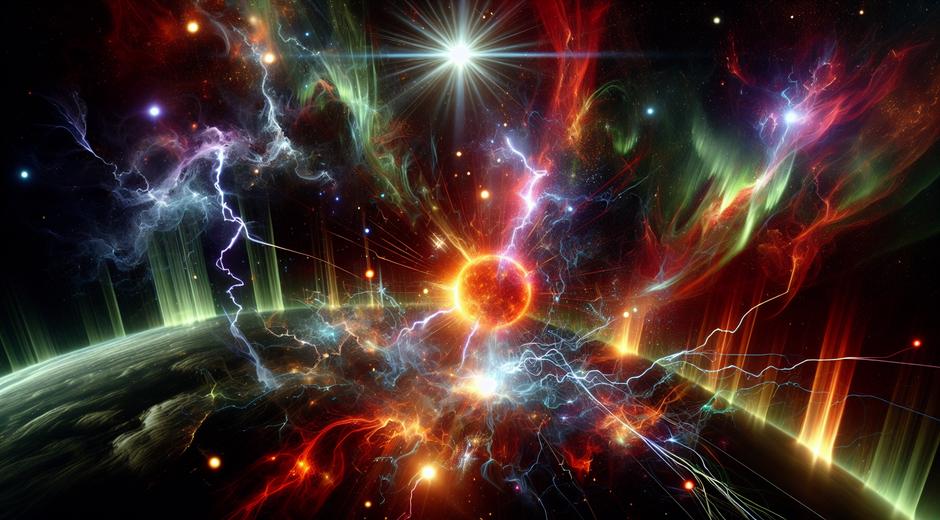
Space Weather Alerts are official notices that warn of changing conditions in space that can affect Earth systems and human activities. These alerts cover events such as solar flares, coronal mass ejections and high speed solar wind streams that can create geomagnetic storms. For readers who follow breaking news and developments it is useful to understand what these alerts mean, how they are issued and which sectors may be affected.
Why Space Weather Alerts Matter Now
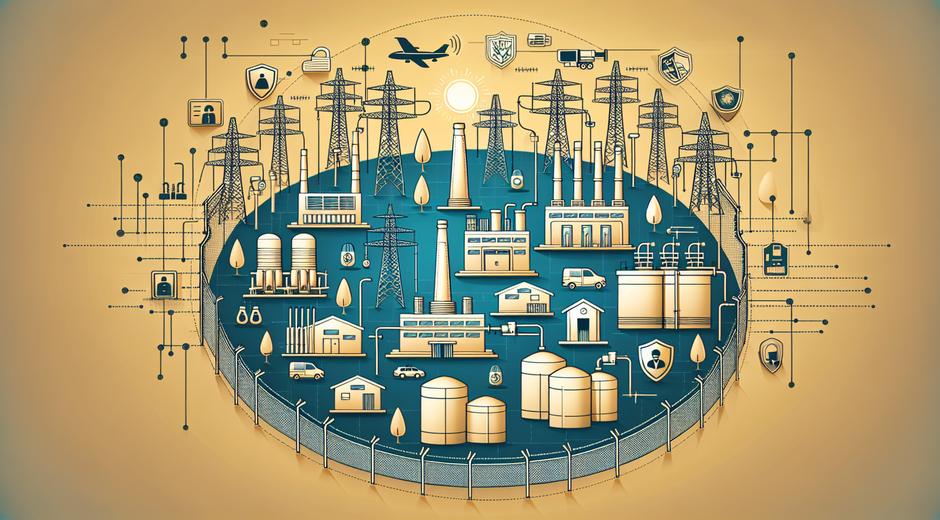
As modern life depends more on satellites electric grids and radio based systems the effects of space weather can be more visible and costly. Power utilities face risk of grid disturbances during strong geomagnetic storms. Satellite operators may see degraded communication and navigation signals. Aviation routes at high latitudes can experience radio blackouts and increased radiation exposure concerns. Even everyday users of GPS navigation can notice brief positioning errors during intense solar events. Timely Space Weather Alerts help organizations prepare and reduce risk.
Common Types of Space Weather Alerts
Alerts typically focus on several key solar activities. Solar flare alerts indicate bursts of electromagnetic radiation that can disrupt high frequency radio in minutes. Alerts for coronal mass ejections forecast clouds of charged particles that may strike Earth days after an eruption and cause sustained geomagnetic activity. Alerts for solar energetic particles warn about elevated radiation levels that could affect high altitude flight crews and sensitive electronics. Alerts for geomagnetic storm conditions describe the expected severity and potential impacts on ground based systems.
Who Issues Space Weather Alerts
National and international agencies monitor the Sun and issue alerts to the public and to critical infrastructure clients. In the United States the space weather prediction center of the national oceanic and atmospheric agency provides routine forecasts alerts and warnings. Other countries maintain their own space weather services and research centers collaborate globally to share observations. Media outlets and specialist services then translate these technical alerts into practical advice for different users.
How to Stay Informed About Space Weather Alerts
Staying informed is simple if you choose reliable channels. Official agency websites social feed accounts and dedicated space weather apps provide direct alert delivery. For news readers who want consolidated coverage and context a trusted news portal can be an efficient source. For example you can read in depth coverage and analysis at newspapersio.com where alerts are explained with practical guidance for different audiences.
Practical Steps to Prepare for Alerts
Preparation depends on your role. For power operators check grid protection plans and pre position spare equipment where possible. Satellite owners should ensure backups and switch to safe modes according to procedures. Pilots and airlines can reroute flights away from polar corridors if a radio blackout is predicted. For the general public simple measures help retain access to critical information such as maintaining charged battery power in communication devices and having alternative means to navigate if GPS is disrupted. Community planners can include space weather scenarios in resilience planning to maintain essential services during extended events.
Space Weather Alerts and Personal Health
Most space weather events do not pose direct risk to the general public at ground level. However elevated radiation levels can matter for specific groups such as frequent flyers and crews on polar routes as well as for astronauts on orbit. People who track personal wellbeing and want nature based support options may explore safe products and lifestyle choices that complement preparedness. For natural product information and wellbeing resources see BioNatureVista.com which offers a curated set of options for daily support.
How Alerts Are Classified and Communicated
Agencies classify space weather events by intensity and expected impact. These classifications help recipients interpret the level of urgency. For instance a watch indicates that conditions are favorable for an event while a warning indicates an event is occurring or imminent. Bulletins often include time frames probable regions of impact and recommended actions. Broadcast systems email services and alert apps push urgent messages immediately to subscribers. It is sensible for organizations to subscribe to official feeds to ensure they receive timely notices.
The Role of Forecasting Technology
Advances in solar imaging and space weather models have improved warning lead time for some events. Observatories monitor the Sun across multiple wavelengths and send data in near real time to prediction centers. While some alerts offer days of lead time for large particle clouds others such as sudden radio blackouts can arrive with little warning. Forecasting remains probabilistic and decision makers use scenario planning to balance the cost of protective actions with the level of risk identified in the alerts.
Business Continuity and Space Weather Alerts
Companies that rely on satellite communications financial transaction networks power intensive operations or high precision timing should include space weather in their business continuity plans. Testing response protocols training staff and maintaining redundancy improve resilience. Insurance teams and risk officers can benefit from scenario based assessments that quantify potential disruption. Transparent communication with customers during alert driven service changes preserves trust and reduces downstream impact.
Community Level Actions to Respond to Alerts
Local authorities can integrate space weather into emergency management programs. Public messaging plans that explain what residents should expect and where to find official updates reduce confusion. Utility companies can coordinate with regulators and emergency managers to sequence load shedding and restoration safely if a geomagnetic storm threatens infrastructure. Schools and businesses can review contingency plans for remote operation when certain systems are affected by strong events.
Future Trends in Space Weather Alerting
Expect more personalized and automated alerting as data systems and models improve. Machine learning and improved sensor networks will refine probability estimates and enable tailored guidance for specific assets or locations. Greater public awareness and routine inclusion of space weather in planning across sectors will reduce vulnerability. Collaboration between scientific institutions government and industry will accelerate improvements in both forecast quality and the way alerts are delivered to end users.
Conclusion
Space Weather Alerts are an essential tool for protecting modern infrastructure and maintaining safety for affected activities. Knowing where to get accurate alerts how to interpret them and what steps to take can make a major difference when solar events occur. Trustworthy news coverage agency bulletins and targeted services together form a reliable information environment. For ongoing coverage updates and practical guidance on this topic visit the news hub at newspapersio.com and for complementary wellbeing resources consider trusted providers like BioNatureVista.com.